







 FIND A SOCAL SHOWROOM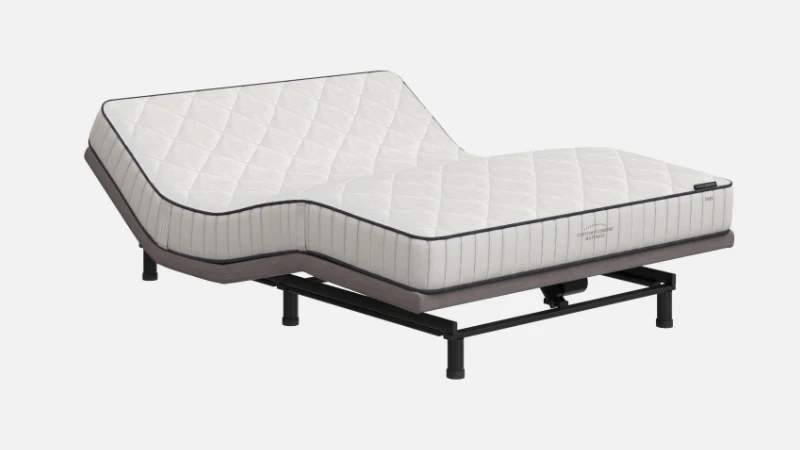












 24002 Via Fabricante, Suite 100
 949-877-3889
 24002 Via Fabricante, Suite 100








When joints are inflamed and stiff, the surface you sleep on quickly becomes a high priority. The right mattress, or the wrong one, can have a significant impact on sleep quality for people living with arthritis. Custom Comfort Mattress has been handcrafting premium mattresses in our Southern California factory for more than 40 years, and this guide draws on what our sleep specialists learn firsthand from fitting customers for comfort, pressure relief, and support every day. There’s no single mattress that works for everyone with arthritis, so this guide is designed to help you understand what to look for: which mattress types ease pressure, which firmness level to aim for, how materials and adjustable bases factor in, and our top picks for more comfort and better sleep. By the end, you’ll know what to look for before you shop.
Key Takeaways
- The best mattress for arthritis is generally a medium to medium-soft mattress that cushions inflamed joints while keeping the spine aligned.
- Too-firm mattresses can create pressure points, while memory foam, natural latex, and wool comfort layers contour to sensitive joints, relieving pressure.
- Breathable materials such as latex and wool regulate sleep temperature better than dense foam alone, which can help if you tend to sleep warm.
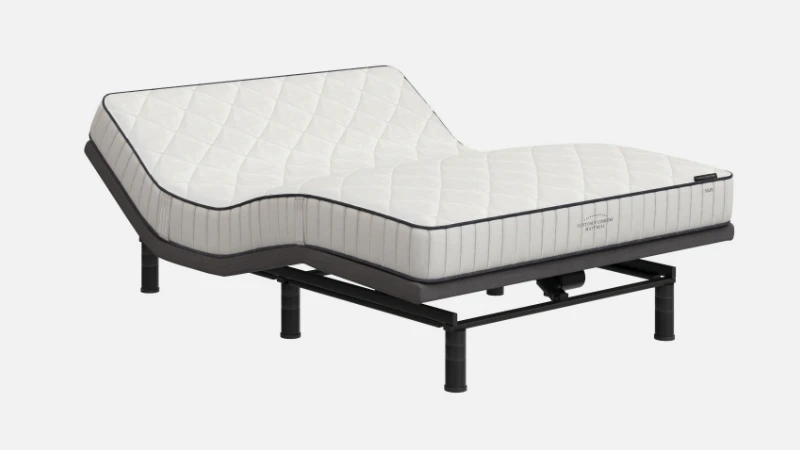
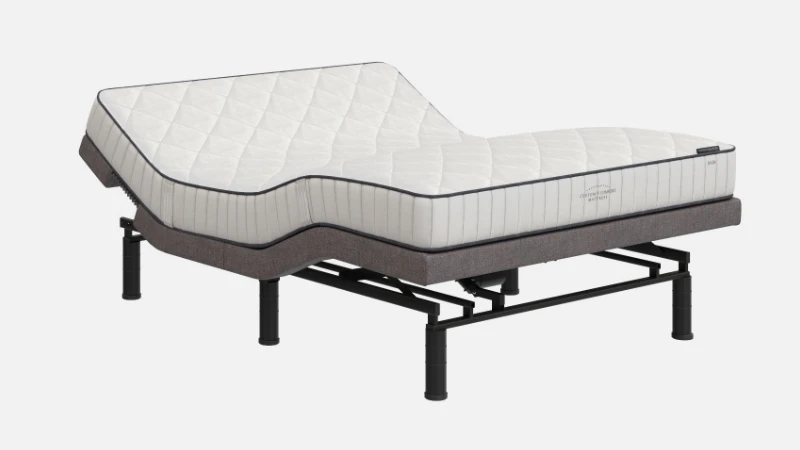
- An adjustable bed may help reduce discomfort and morning stiffness by making it easier to shift positions and elevate the legs or upper body overnight.
How Arthritis Affects Sleep
Arthritis pain rarely holds steady through the night; in fact, inflammation often peaks in the early morning. Joints that stay in one position for hours tend to stiffen, which is why so many people living with arthritis wake up hurting more than when they went to bed. While osteoarthritis and rheumatoid arthritis can follow different patterns, both react to how well the body is supported while it rests.
An unsupportive mattress compounds the problem. When a bed is too firm, weight concentrates at the hips, shoulders, and spine, creating pressure points exactly where joints are already sore. When it’s too soft, the joints sink out of alignment and muscles work through the night to compensate. Either way, you move less, stiffen more, and wake up feeling it. The right mattress does the opposite: it distributes weight evenly while easing pressure and tension.
Not sure what your current mattress is missing? Our Mattress Match-Up Quiz can narrow down the comfort level and materials ideal for your joints and sleep position.
Types of Mattresses That Help With Arthritis
Each construction handles the balance between cushioning and support differently.
| Mattress Type | How It Helps | Best For |
| Memory foam | Contours closely to the body for pressure relief at inflamed joints, though it responds slowly and can retain heat. | Sleepers who want a cradling feel and stay in one position |
| Latex | Cushions sore joints while responding as you move, so changing position takes less effort. Natural latex is breathable and naturally hypoallergenic. | Sleepers with morning stiffness who reposition often, and hot sleepers |
| Hybrid | Pocketed coils keep the spine aligned while comfort layers relieve pressure. Strong edge support makes getting in and out of bed easier on painful joints. | Sleepers who want cushioning with edge and spinal support |
| Wool comfort layers | Wool cushions gently, wicks moisture, and regulates temperature year-round for a more breathable sleep surface. | Anyone who sleeps hot and wants natural, hypoallergenic materials |
For many people living with arthritis, mattress construction that combines latex with wool layers can be a helpful starting point, offering cushion for sensitive joints while remaining breathable and easy to move on.
Best Custom Comfort Mattress Picks for Arthritis
These picks reflect what our sleep specialists see work well for arthritis discomfort during in-person fittings. Each handcrafted option pairs pressure relief with support and is built to order in our Southern California factory. These recommendations come from our mattress and fit expertise, not medical advice, so if joint pain is significant, your physician should be part of the conversation too.
| Product | Type & Feel | How It Helps | Best For |
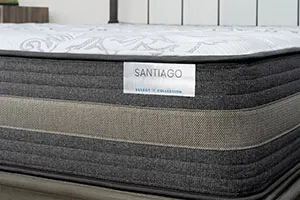
| Santiago Mattress (Select Collection) | All-foam, medium feel | Transitional foam layers over a high-resilient foam core contour to sore joints while holding support. The plush quilted surface cushions hips and shoulders without letting them sink. | Sleepers who want a cushioned, contouring sleep surface at an accessible entry point |
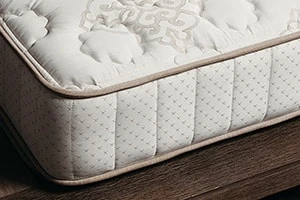
| Mendocino Mattress (Reserve Collection) | Double-sided, naturally plush, no-coil latex | 100% plant-derived latex provides contouring support and pressure relief around sensitive joints, while organic wool and cotton promote breathable, temperature-regulating comfort. | Sleepers who want plush pressure relief, responsive support, and natural, breathable materials. |
| Estate 3-Inch Topper | Double-sided natural latex, wool, and organic cotton | Adds three inches of body-contouring cushioning to a mattress with a sound support core, relieving pressure at the shoulders and hips without replacing the bed. | Side sleepers and anyone whose mattress supports well but feels too firm at the surface |
| A-400 Plus Adjustable Bed | Wireless base with massage and variable lumbar adjustment | Elevates the legs or upper body to relieve pressure on inflamed joints, with additional lumbar support and massage functions to relax surrounding muscles. | Sleepers dealing with spinal pain or joint stiffness who benefit from changing positions overnight |
Not sure which combination suits your joints? Schedule a mattress fitting and a sleep specialist will assess your pressure points and alignment in a single visit.
Key Features to Look For
Based on what our sleep specialists consistently see during in-person fittings, four features matter most when you’re shopping with arthritis discomfort in mind.
Firmness. Medium to medium-soft is usually the right choice because it responds to sensitive joints without letting the spine sink out of alignment. Treat it as a starting point rather than a rule.
Pressure relief. Comfort layers should cushion pressure points, distributing weight across the hips, shoulders, and lower back rather than concentrating it at joints that are already inflamed.
Temperature regulation. Overheating leads to tossing and turning, which can disrupt sleep more than a stable, comfortable temperature would. Breathable layers such as natural latex and wool release heat far better than dense foams alone.
Ease of movement. A responsive surface makes turning over and getting out of bed less painful. Surfaces that hug too closely or don’t have proper edge support can make changing position and getting in and out of bed much harder than they need to be.
Two other personal factors to consider: sleep position and the areas affected by arthritis.
- Side sleepers with arthritis typically need more give at the shoulders and hips than back sleepers do.
- Sleepers experiencing hip or shoulder discomfort may prefer more cushioning at those contact points, while someone managing spinal or back pain may feel better with steadier underlying support.
Our guide to the best mattress for hip pain covers the contact-point question in more detail.
Tips for Choosing the Right Mattress
- Prioritize pressure-relieving materials such as natural latex, wool comfort layers, or memory foam.
- Look for breathable, temperature-regulating layers if you tend to sleep warm.
- Consider an adjustable base if morning stiffness or trouble changing positions is part of the problem.
- If your mattress still supports you well but feels too firm, try a topper before replacing it.
- Test in person and lie in your actual sleep position for several minutes, not seconds.
- Book a personalized fitting so a specialist can identify your pressure points while you’re on the bed.
Frequently Asked Questions
What type of mattress is best for arthritis?
A medium to medium-soft mattress with effective pressure relief is generally best for arthritis, since it cushions inflamed joints while keeping the spine aligned. Memory foam, natural latex, and wool comfort layers are popular choices because they contour without creating painful pressure points. The right pick depends on which joints are affected and your sleep position.
Is a firm or soft mattress better for arthritis?
Most people with arthritis do best on a medium to medium-soft mattress rather than a very firm or very soft one. Too firm creates pressure points at the hips and shoulders, while too soft lets joints sink and misaligns the spine. A medium-to-medium-soft feel usually balances cushioning and support.
Can a new mattress help with arthritis pain?
A mattress built for pressure relief and spinal support may make sleeping with arthritis more comfortable by reducing pressure around sensitive areas such as the hips, shoulders, and lower back. A mattress won’t treat arthritis itself, but the right sleep surface can help eliminate unnecessary pressure and support more comfortable rest.
What sleep position is best for people with arthritis?
The best position depends on which joints are affected, though side sleeping with good spinal alignment tends to work well for most types of arthritis. Side sleepers with hip or shoulder arthritis often need a softer comfort layer, while back sleepers with spinal arthritis need firmer support. A pillow between the knees can further ease joint strain.
Do adjustable beds help with arthritis symptoms?
Adjustable beds can ease arthritis symptoms by letting sleepers shift position and reduce pressure on inflamed joints overnight. Elevating the legs or upper body may improve circulation and reduce stiffness from staying in one position for too long. Some adjustable bases also include massage settings, which sleepers find relaxing when they’re feeling stiff or uncomfortable.
How often should someone with arthritis replace their mattress?
Most mattresses lose their support after seven to ten years, and people living with arthritis often notice the effects sooner than others. Signs it’s time to replace one include visible sagging, more joint stiffness on waking, or sleeping better in other beds. Watching for these signs matters more than following a fixed schedule.
Wake Up With Less Stiffness
The best mattress for arthritis is one that cushions inflamed joints, keeps the spine aligned, and stays cool enough to avoid disrupting your sleep. For most people, that means a medium to medium-soft surface made with breathable, pressure-relieving materials that can be enhanced with an adjustable base to make changing positions easier. Since arthritis affects different joints in different ways, treat these as starting points and let comfort, and a Custom Comfort sleep specialist, be your guide.
Our mattresses are handcrafted, not mass-produced, using natural materials like organic cotton, wool, and natural latex, enabling us to build the ideal sleep solution for your individual needs and specifications. Visit a Custom Comfort Mattress showroom for expert guidance and find the balance of pressure relief, support, and comfort that works for your joints.
Reviewed & Approved By Custom Comfort Mattress
Custom Comfort Mattress is a family owned California mattress manufacturer crafting handcrafted mattresses since 1986. Each guide is reviewed by our mattress expert to ensure accuracy, material expertise, and comfort insights drawn from decades of craftsmanship and personalized showroom fittings. Explore our Stories of Comfort to see how customers experience the difference.