







 FIND A SOCAL SHOWROOM











 24002 Via Fabricante, Suite 100
 949-877-3889
 24002 Via Fabricante, Suite 100








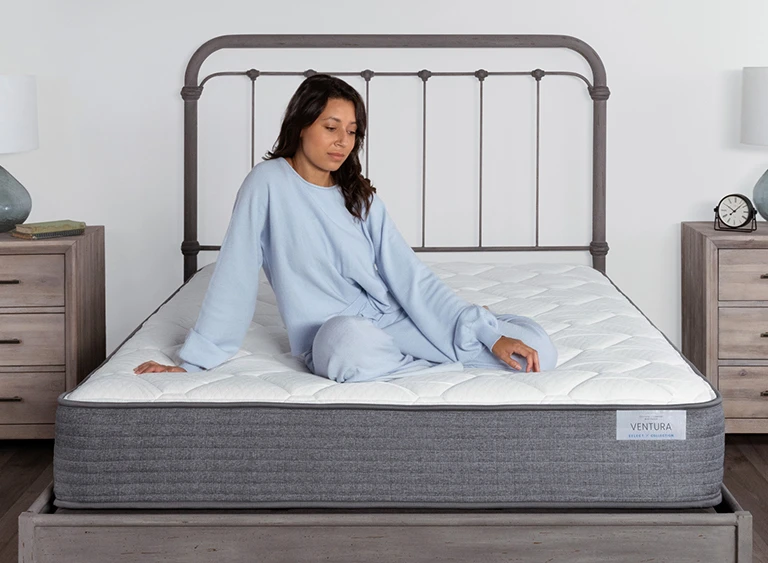

If you sleep on your stomach, you know all too well how important the right mattress is to a good night’s sleep. Since 1986, Custom Comfort Mattress has helped Southern California sleepers choose handcrafted mattresses that support proper spinal alignment and provide long-term comfort for any sleep style. In this guide, we explain what stomach sleepers need from a mattress, which features matter most, and how to find the right fit for your body and sleep style. By the end, you’ll know exactly what to look for in a mattress for stomach sleepers, and feel more confident choosing the right one for you.
Not sure which mattress style is right for you? Start with our Mattress Match-Up Quiz for personalized recommendations tailored to your sleep position, comfort preferences, and support needs.
Key Takeaways
- Stomach sleeping concentrates pressure on the hips and midsection — a too-soft mattress lets that area sink, bowing the spine into an unhealthy curve that causes lower back pain over time.
- A medium-firm to firm mattress is the single most important factor for stomach sleepers; heavier sleepers typically need a firmer feel to keep the midsection from sinking.
- Responsive materials like innerspring coils and natural latex keep the body flat and lifted — slow-response memory foam and thick pillow-tops allow too much sinkage and are generally poor fits.
- Breathability matters more for stomach sleepers since more body surface contacts the mattress; natural materials like cotton, wool, and latex sleep significantly cooler than synthetic foam.
- A double-sided, flippable mattress is especially valuable for stomach sleepers, since concentrated nightly pressure wears a single-sided mattress down faster — reducing the consistent support the position depends on.
Why Stomach Sleeping Is Harder on Your Mattress
Stomach sleeping puts your spine in a tougher spot than back or side sleeping does. When you lie face down, the heaviest part of your body, usually your hips and midsection, presses straight down into the surface. If the mattress is too soft, that midsection sinks below the line of your shoulders and legs, bowing your spine into an exaggerated curve that it was never meant to hold all night.
Over time, that misalignment adds up. Stomach sleepers often deal not only with lower back strain but also with neck tension from turning their heads to one side for hours, and a general stiffness that builds gradually rather than hits all at once. It’s the kind of discomfort that’s easy to blame on something else until you realize the mattress has been the culprit the whole time.
While the right mattress won’t eliminate every challenge that comes with sleeping on your stomach, it can significantly reduce them. The goal is straightforward: keep your body as flat and supported as possible from the moment you lie down until you wake up.
For stomach sleepers, maintaining proper spinal alignment is the primary goal. When the hips remain level with the shoulders and legs, the lower back experiences less strain and the body can recover more effectively overnight. That comes down to a few specific features, and once you know what they are, the search gets much simpler.
What Stomach Sleepers Need in a Mattress
Firmness. This is the single most important factor in a mattress for stomach sleepers. You’ll generally want a medium-firm to firm mattress because a surface with too much give lets your midsection sink, which can create the spinal misalignment described above. Where you land on that range depends on your body. Lighter stomach sleepers often find a medium-firm mattress comfortable, while heavier sleepers usually benefit from a firmer feel that offers more resistance under the hips and abdomen.
Responsive support. A good stomach-sleeper mattress should push back rather than simply conform to your shape. That upward response is what keeps your body lifted and level instead of cradling you into a curve. This is where construction really matters. Innerspring and latex builds tend to be naturally responsive, while dense memory foam can feel slow to recover and allow more sinkage right where stomach sleepers need it least.
Breathability. Because stomach sleepers have more of their body pressed against the surface, heat can build up faster than it does in other positions. A breathable mattress makes a real difference for stomach sleepers. Natural materials like cotton, wool, and latex move air far better than synthetic foam, helping you sleep cooler through the night.
Durability and even wear. Since stomach sleepers concentrate pressure in the same area night after night, mattress support and longevity become even more important buying considerations. A bed that holds its shape and resists sagging can protect spinal alignment for years, not just for the first few months. A mattress that breaks down quickly will reintroduce the very problems you bought it to solve.
Best Mattress Types for Stomach Sleepers
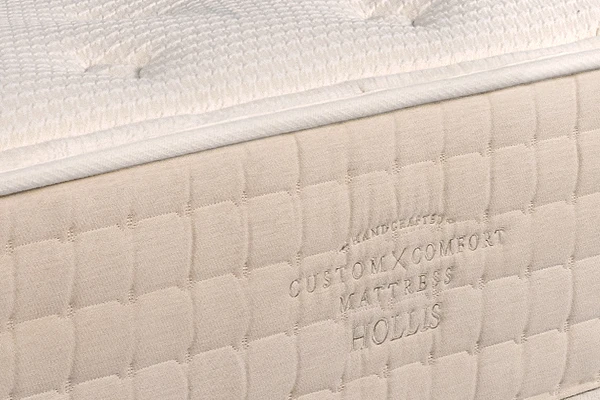
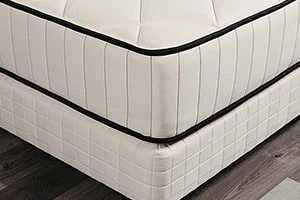
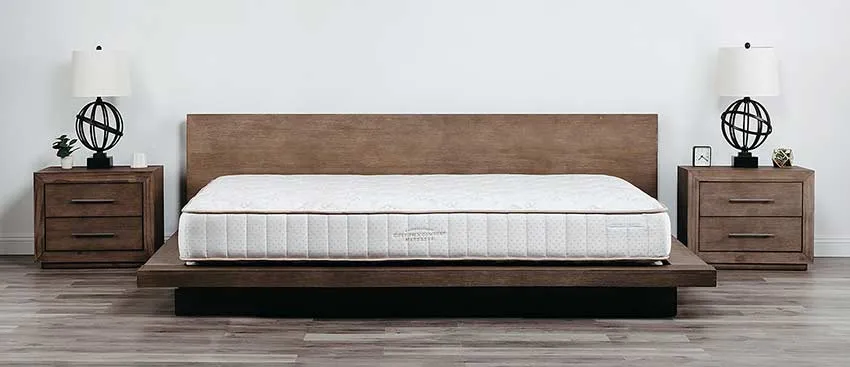
Innerspring. An innerspring mattress is among the most recommended options for stomach sleepers, and for good reason. The coil support system delivers a responsive, firm-feeling surface that resists sinkage under a heavier midsection, keeping your spine level. Handcrafted innerspring mattresses, built with natural comfort layers, add breathability to that support, so you stay cool without giving up the resistance your hips need. Custom Comfort Mattress builds our innerspring mattresses with strong American steel coils and natural layers of cotton, wool, and latex for the best of both.
Latex. A natural latex mattress is a strong pick for stomach sleepers who want firmness with a touch of gentle contouring. Latex is naturally responsive and resists the kind of slow compression that pulls the spine out of alignment, so you get support that holds rather than support that fades over the course of the night.
Latex is also one of the most breathable materials available, which makes it a smart choice for stomach sleepers who tend to run warm. As a bonus, it’s exceptionally durable, often lasting longer than other materials before showing body impressions.
Hybrid. A hybrid mattress pairs a coil support core with comfort layers, often latex or natural fibers. For stomach sleepers who want a slightly softer surface feel without losing the support underneath, a hybrid built on a firm coil base offers a good middle ground.
The key is making sure the coil core is firm enough to keep your midsection from sinking, with just enough comfort up top to take the edge off.
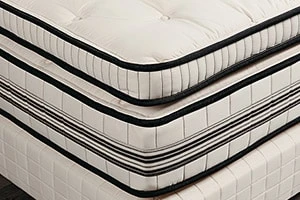
What to avoid. Very soft mattresses, thick pillow-top surfaces, and slow-response memory foam are usually poor fits for stomach sleepers. All three allow the hips and abdomen to sink too far, creating the spinal curve that can lead to back pain over time. If a mattress feels like it’s enveloping you when you lie down, it’s working against your preferred sleep position rather than with it.
Does a Double-Sided Mattress Help Stomach Sleepers?
A double-sided mattress, also called a dual-sided or flippable mattress, absolutely helps stomach sleepers,, and the reason ties directly back to how stomach sleepers use a mattress. Because you concentrate pressure in the same spots night after night, a flippable, double-sided mattress helps extend the life of the bed by spreading that wear across two surfaces instead of one.
Whereas one side absorbs all the compression in the same place for years on a single-sided mattress, flipping a bed lets each surface rest and recover. With a double-sided mattress, neither side breaks down as quickly.
For a stomach sleeper, that’s not just about getting more years out of the purchase. It’s about keeping the support consistent as well, ensuring the alignment that felt right on night one still feels right years later.
This durability advantage is especially valuable for stomach sleepers because consistent support matters more than plush cushioning. When a mattress maintains its shape over time, it continues to support healthy alignment night after night.
Custom Comfort Mattress builds all of our handcrafted mattresses with dual-sided construction across the Heritage, Reserve, and Select Collections to ensure long-term support.
How to Find the Right Firmness Level for Your Body
One expert insight that is critical to consider in this day of online mattress shopping is that firmness ratings are not universal. A “medium-firm” label tells you very little on its own. Not only can this vary by mattress brand, material, and construction type, but the way a mattress feels depends heavily on who’s lying on it. Your body weight, your sleep habits, and whether you share the bed all change which firmness level actually keeps your spine aligned.
For example, a stomach sleeper who weighs 130 pounds might find a medium-firm mattress perfectly supportive. In comparison, a stomach sleeper at 230 pounds may need a noticeably firmer build to keep the midsection from sinking. Two people can read the same firmness rating and have completely different experiences on the same bed. That’s why buying on a number alone so often leads to disappointment.
The most reliable way to get it right is to lie down on the mattress yourself, in your actual sleep position, with guidance from someone who knows how construction affects alignment. A personalized fitting sidesteps the guesswork. Instead of hoping a firmness rating translates to your body, you can feel the difference directly and test various options until your spine sits flat and supported.
This is where a no-pressure, personalized sleep consultation with a Custom Comfort Mattress expert can provide invaluable guidance. Schedule a mattress fitting and let a sleep specialist help you find the firmness and support level that’s right for your body and sleep position.
Sleep Better, Starting With the Right Mattress
Stomach sleepers need a mattress that keeps the body as flat and supported as possible, both throughout the night and over time. That means prioritizing three things above all else: a medium-firm to firm feel, responsive materials that push back rather than sink, and natural breathability to manage the extra heat that comes with stomach sleeping. Durability and even wear round out the list, especially when you factor in how much pressure stomach sleeping concentrates in one area of your mattress.
Matched properly to your body, the right mattress can meaningfully reduce the discomfort so many stomach sleepers have learned to live with. The hard part is the matching, and that’s where experiencing a mattress in person excels over reading written specs every time.
Every Custom Comfort Mattress is handcrafted to last using natural materials and dual-sided construction. If you’re ready to find a mattress that better supports your sleep position, visit one of our Southern California showrooms or schedule a personalized mattress fitting. Feeling the difference in person is often the fastest path to better sleep.
Frequently Asked Questions
What firmness is best for stomach sleepers?
Stomach sleepers generally do best on a medium-firm to firm mattress. A firmer surface keeps the hips and midsection from sinking, which can cause the spine to arch into an unhealthy curve. Lighter sleepers may be comfortable on medium-firm, while heavier sleepers often need a firmer feel for proper support.
Is memory foam bad for stomach sleepers?
Soft, slow-response memory foam is usually a poor match for stomach sleepers. It lets the hips and abdomen sink too deeply, pulling the spine out of alignment and contributing to back pain over time. More responsive materials, such as innersprings and natural latex, keep the body lifted and level, making them a better fit. Additionally, since stomach sleepers often sleep hot as heat tends to concentrate in the midsection, they are better suited to these more breathable materials and construction methods.
Why does my back hurt when I sleep on my stomach?
Stomach sleeping flattens the natural curve of your spine, and a too-soft mattress makes it worse by letting your midsection sink below your shoulders and legs. This exaggerated curve strains the lower back. A firmer, more supportive mattress reduces the effect by keeping your body flatter throughout the night.
What type of mattress is best for stomach sleepers?
Innerspring and natural latex mattresses are typically the best choices, because both offer the responsive, firm support stomach sleepers need to maintain spinal alignment. A hybrid with a firm coil base can also work for those who want a slightly softer surface feel without sacrificing the support underneath.
How often should stomach sleepers replace their mattress?
It depends on the quality and construction. A handcrafted, double-sided mattress can last well over a decade because flipping distributes wear across both surfaces, which matters for stomach sleepers who concentrate pressure in the same spot nightly. A mass-produced single-sided mattress may sag and lose support in far less time.
Is a pillow-top mattress good for stomach sleepers?
Generally, no. Thick pillow-top mattresses often don’t provide the push back stomach sleepers need to keep the hips and midsection from sinking and pulling the spine out of alignment. Most stomach sleepers benefit from a firmer, more supportive mattress with responsive, breathable comfort layers instead.
Reviewed & Approved By Custom Comfort Mattress
Custom Comfort Mattress is a family owned California mattress manufacturer crafting handcrafted mattresses since 1986. Each guide is reviewed by our mattress expert to ensure accuracy, material expertise, and comfort insights drawn from decades of craftsmanship and personalized showroom fittings. Explore our Stories of Comfort to see how customers experience the difference.