







 FIND A SOCAL SHOWROOM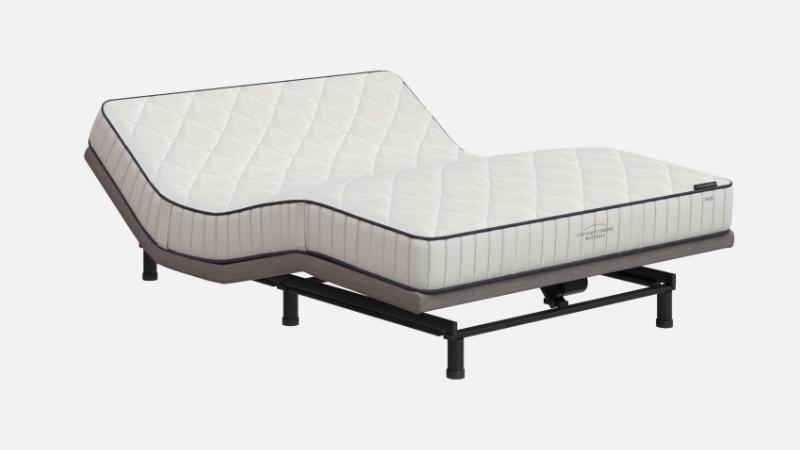










 24002 Via Fabricante, Suite 100
 949-877-3889
 24002 Via Fabricante, Suite 100








Key Takeaways
- The main difference between a full and queen mattress is sleep space, room fit, and long-term versatility.
- Full-size beds work best for solo sleepers and smaller rooms, while queen mattresses offer more comfort for couples.
- Queen mattresses provide extra width and length, reducing sleep disturbance and improving overall comfort.
- Room size, number of sleepers, and lifestyle changes should guide your choice between a full vs. queen bed.
Not sure whether a full or queen mattress is right for you? With decades of experience handcrafting premium mattresses using natural materials in a full array of sizes, Custom Comfort Mattress can help guide you through the mattress selection process with expertise you can trust. Thanks to personalized consultations and showroom fittings, we have helped thousands of sleepers find their perfect sleep match and can do the same for you. In this guide, we’ll break down the key differences between full and queen beds, including dimensions, sleepers and sleep style, room fit, and more, so you can choose your mattress size with confidence.
What Is a Full Bed?
A full-size mattress, also called a double bed, measures 54 inches wide by 75 inches long. This bed size has been around for decades and remains a popular choice, especially in rooms where space is at a premium, such as guest rooms or children’s bedrooms.
Full-size beds work best for solo sleepers such as single adults, teenagers, and older children who’ve outgrown a twin bed but don’t need the extra space of a queen. They’re also a smart option for studio apartments or secondary bedrooms where maximizing floor space matters more than sleeping space.
Full-size mattresses are also commonly used in space-constrained environments beyond traditional bedrooms. Guest rooms, vacation properties, RVs, boats, and other specialty living spaces often rely on full or full XL mattress dimensions to balance comfort with limited floor plans. In these settings, the full mattress provides a practical sleep surface without overwhelming the space.
That said, a full bed can feel snug for couples. With each person getting just 27 inches of sleeping space – less than a twin XL – partners may find themselves competing for room, especially if one or both are active sleepers. At Custom Comfort Mattress, our full-size mattresses are available in handcrafted, natural-material builds, including innerspring and latex options, as well as extra-long versions. Many designs also feature dual-sided construction to maximize comfort and longevity for different sleep styles.
Pros and Cons of a Full-Size Bed
| Pros | Cons |
| Fits well in smaller rooms, making efficient use of available space | Provides a limited individual sleep area for active sleepers, couples, and co-sleepers |
| Works well for smaller, solo, or temporary sleepers who need only moderate sleep space | Offers reduced versatility for lifestyle or size changes over time, such as growing children or new partners |
What Is a Queen Bed?
A queen mattress measures 60 inches wide by 80 inches long, offering 6 inches more width and 5 inches more length than a full-size mattress. The queen bed is the most popular mattress size in the United States and the most common choice for primary sleeping spaces.
At 30 inches wide per person, the queen-size mattress provides enough sleeping area for two adults. Its 80-inch length is also ideal for sleepers over six feet tall, helping prevent feet from hanging off the edge. A queen bed also offers all this sleeping space without requiring a massive bedroom.
Custom Comfort Mattress handcrafted, natural queen-size bed options are designed to provide the responsive support of innerspring coils, the pressure relief of natural latex, and the flippable longevity of many dual-sided designs, along with generous sleep space.
Pros and Cons of a Queen-Size Bed
| Pros | Cons |
|
|
|
|
Full vs. Queen: How to Decide
Choosing between a full vs queen mattress comes down to three key factors: room size, sleepers, and lifestyle. A full-size mattress delivers space-efficient comfort for solo sleepers and smaller rooms, while a queen provides the extra width and length that couples and active sleepers need. The right choice depends on your room size, who’s sleeping, and how you see your needs evolving. It’s also worth considering how the mattress will be used — whether in a primary bedroom, guest space, or a specialty setting like an RV or boat where standard room layouts don’t apply.
Room Size and Space
Start by measuring your bedroom and mapping out where the bed will go. Interior designers recommend leaving at least 24 to 30 inches of walking space around the bed for comfortable movement and making the bed. A full-size mattress fits comfortably in rooms as small as 9 by 10 feet, leaving space for a nightstand and small dresser, and making it an excellent option for guest rooms, teen bedrooms, or studio apartments. A queen needs at least 10 by 10 feet, though 10 by 12 feet or larger is preferable to have room for two nightstands and additional furniture. If your space is under 10 feet wide, the full is the practical choice for maximizing floor space.
Number and Size of Sleepers
The number and size of people using the bed are the most critical factors for sleep comfort. Solo sleepers usually find plenty of room in a full, and taller sleepers can opt for a full XL for an additional 5 inches of length. For couples, the queen is the clear winner. Its extra six inches of width minimizes sleep disturbances from a partner’s movement. The queen’s additional surface area also makes a noticeable difference for sleepers sharing a bed with pets or children.
Sleep Habits and Lifestyle
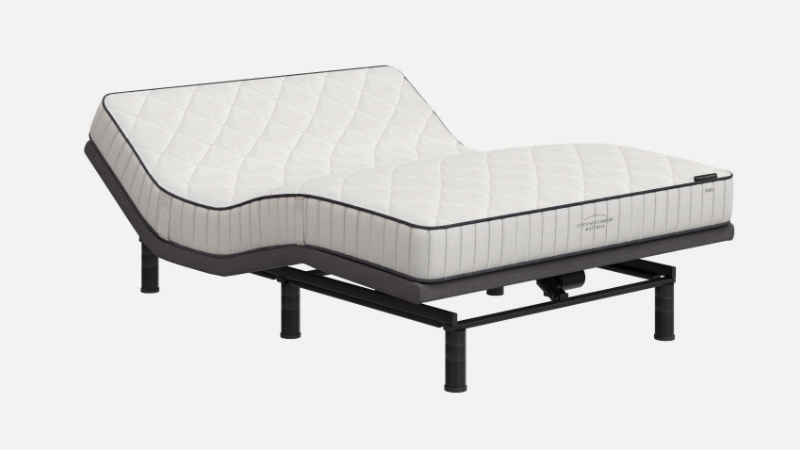
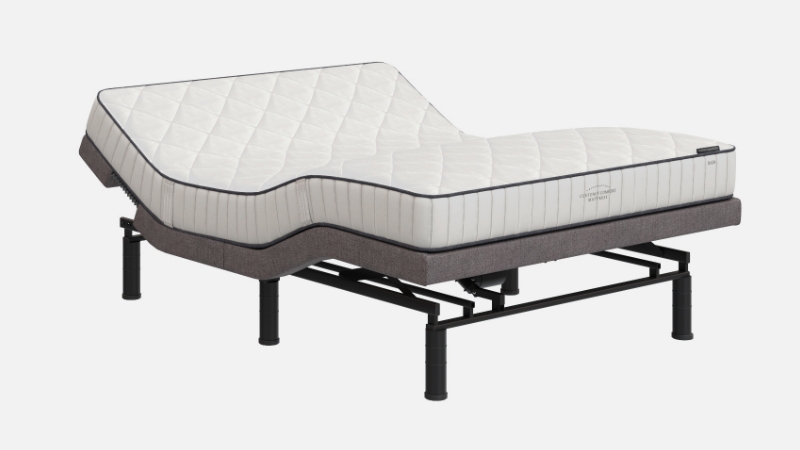
Lastly, it’s critical to consider sleep styles and living circumstances when choosing between a full and a queen bed. Active sleepers who toss and turn throughout the night benefit significantly from the queen’s 60-inch width, which allows them to move freely without hitting the edge or disturbing a partner. The queen also more easily accommodates accessories like larger pillows, adjustable bed bases, and even a king-size duvet cover for full coverage. Plus, a queen offers more flexibility for changing life circumstances. If you’re furnishing a first apartment or a teen’s room, the queen offers better long-term versatility should a move, a new partner, a growing family, or simply wanting more room to spread out become factors.
Making the Final Decision: Full vs. Queen Mattress
To recap, here are the essential differences between a full-size mattress and a queen-size bed at a glance:
| Mattress Size | Dimensions (W × L) | Minimum Room Size | Ideal For |
|---|---|---|---|
| Full | 54″ × 75″ | 9′ × 10′ | Single sleepers, teens, guest rooms |
| Queen | 60″ × 80″ | 10′ × 10′ | Couples, tall sleepers, primary bedrooms |
Choose the full mattress if: you’re a single sleeper under six feet tall, you’re furnishing a guest room or secondary bedroom, or your room is too small for a queen.
Choose the queen mattress if: you’re a couple, you’re over six feet tall, you have pets or children who share the bed, or you’re an active sleeper who needs room to move.
Space permitting, the queen bed is the smarter long-term investment for adult comfort and versatility, not to mention luxurious sleep space. Regardless of the mattress size you choose, a handcrafted California-made mattress from Custom Comfort Mattress — including many dual-sided designs — is built to stand the tests of time, quality, and restful sleep.
Find Your Perfect Fit at Custom Comfort Mattress
At Custom Comfort Mattress, we believe the best way to choose your mattress size or type is to experience the difference in person. Our sleep specialists offer personalized fittings to help you find the ideal size, firmness, and materials for your living space, your body, and your sleep style. Whether you need a standard size mattress like full, queen, or California king, or even a custom size for a boat or RV, your Custom Comfort Mattress will be built to your exact specifications. Visit a Custom Comfort Mattress showroom to test mattresses side-by-side and see for yourself which mattress size is right for you.
Reviewed & Approved By Custom Comfort Mattress
Custom Comfort Mattress is a family owned California mattress manufacturer crafting handcrafted mattresses since 1986. Each guide is reviewed by our mattress expert to ensure accuracy, material expertise, and comfort insights drawn from decades of craftsmanship and personalized showroom fittings. Explore our Stories of Comfort to see how customers experience the difference.