







 FIND A SOCAL SHOWROOM











 24002 Via Fabricante, Suite 100
 949-877-3889
 24002 Via Fabricante, Suite 100








Key Takeaways
- Sleep position is the most important factor — side sleepers need softer support, back and stomach sleepers need firmer.
- Mattress type affects feel and breathability: innerspring, latex, hybrid, and memory foam each suit different sleepers.
- Firmness refers to core support, not surface feel — always test in person since ratings vary by manufacturer.
- Dual-sided mattresses last 10–15 years because flipping and rotating distributes wear evenly.
- Natural materials like latex, wool, and organic cotton improve breathability and long-term durability.
Shopping for a mattress can definitely feel overwhelming. With so many material options, firmness levels, and mattress types available today, it’s hard to know what matters most when choosing the right mattress for you.
In this guide, we’ll walk through the most important factors to consider when shopping for a mattress – including mattress materials, firmness, feel, construction quality, and size, as well as the preferences and sleep position of the people using it. As a family-owned mattress company that has handcrafted dual-sided mattresses in Southern California since 1986, Custom Comfort Mattress has helped thousands of sleepers find the ideal mattress thanks to our personalized approach and expert in-store fittings.
By the end of this guide, you’ll know exactly what to look for to ensure your next sleep solution is the right mattress for you.
Know When It’s Time for a New Mattress
Sleeping on the same mattress over time can make it hard to distinguish subtle changes that might make it time for a replacement. Here’s how to recognize whether your current one is still providing proper support.
Even if it doesn’t look damaged on the surface, a mattress that is worn or breaking down internally may no longer keep your spine properly aligned during sleep.
Some common signs that it may be time for a replacement include:
- Waking up with stiffness, soreness, or back pain
- Sleeping better in hotels or other beds
- Visible sagging or body impressions
- A mattress that is more than 8–10 years old
While many mattresses begin to break down within 5-7 years, well-constructed mattresses last significantly longer; in fact, dual-sided mattresses designed to be flipped and rotated can maintain their structure for 10-15 years or more with proper care.
If your mattress no longer feels supportive or comfortable, a new mattress can significantly improve sleep quality and overall health.
Start with Sleep Position
Understanding your primary sleep position is critical to know the amount of pressure relief (think comfort at joints) and support (meaning proper spinal alignment) your body needs from a mattress.
Side Sleepers
Side sleepers typically place the most pressure on their shoulders and hips. A mattress that is too firm can create pressure points in these areas.
Most side sleepers benefit from softer to medium comfort layers – where the mattress meets your body – that cushion these joints while still aligning the spine with the right support underneath.
Back Sleepers
Back sleepers generally need a balance of comfort and support to maintain proper spinal alignment. A mattress that is too soft may allow the hips to sink, while one that is too firm may create pressure in the lower back.
Most back sleepers feel comfortable on medium to medium-firm mattresses.
Stomach Sleepers
Stomach sleepers often require a firmer mattress to prevent the midsection from sinking too deeply into the surface. Excessively deep sinks can place strain on the lower back and neck.
Combination Sleepers
Combination sleepers move between positions throughout the night. They typically benefit from responsive mattresses that adapt quickly to movement and make it easy to change positions.
Understanding how you sleep is the first step toward choosing a mattress that works with your body rather than against it.
Understand Mattress Types and Materials
Once you understand your sleep position, the next step in choosing the right mattress is to learn how different mattress constructions affect comfort, airflow, and durability. Here we compare the most popular mattress types: innerspring, latex, hybrid, and memory foam.
Innerspring Mattresses
Innerspring mattresses use a core of steel coils to provide support and responsiveness. This traditional construction remains popular because it offers a balanced feel with noticeable bounce.
The open-coil structure also allows air to circulate more freely, helping prevent heat buildup.
Explore Custom Comfort Mattress innerspring mattresses to see a range of handcrafted options built for durability and support.
Latex Mattresses
Natural latex mattresses are known for their responsiveness, breathability, and long-term durability.
Latex has an open-cell structure that promotes airflow while providing pressure relief without the “sinking” sensation associated with memory foam. Many sleepers appreciate latex because it offers both cushioning and support.
Explore latex mattresses to learn more about the benefits of natural latex construction.
Hybrid Mattresses
Hybrid mattresses combine two support technologies – typically a coil support core paired with latex or foam comfort layers.
This construction provides a balance of support, responsiveness, and pressure relief. Many sleepers choose hybrid mattresses because they combine the airflow of innerspring mattresses with the comfort layers of foam or latex beds.
You can explore available hybrid mattresses from Custom Comfort Mattress to see how this construction works in practice.
Memory Foam Mattresses
Memory foam mattresses are designed to contour closely to the body. While they excel at pressure relief and motion isolation, dense memory foam can retain heat and restrict airflow, which may be a concern for sleepers who tend to run warm.
While foam works well for some sleepers, it’s important to consider how it compares to other materials when evaluating long-term comfort and breathability.
Choose the Right Firmness Level
Firmness is one of the most misunderstood factors when choosing a mattress. At its core, firmness has to do with exactly that – the core of the mattress and the firmness of the support it provides. The outer layers of a mattress may seem “soft,” but they are known as comfort layers and are independent of the mattress’s firmness.
That said, there is no universal “best firmness” because what someone considers the best mattress for them depends heavily on sleep position, body weight, and personal preference.
In general:
- Soft or plush mattresses tend to work well for lighter sleepers and side sleepers who need pressure relief.
- Medium mattresses are often comfortable for combination sleepers who change positions frequently.
- Medium-firm to firm mattresses tend to support back and stomach sleepers by maintaining spinal alignment.
It’s also important to remember that firmness ratings vary widely between manufacturers. What one company labels “medium firm” may feel quite different from another.
For this reason, testing firmness in person is often the most reliable way to determine the right feel for your body.
Consider Mattress Construction: Single-Sided vs Dual-Sided
Modern construction involves not only the materials used but also mattress design, such as whether it can be flipped. Many modern mattresses are single-sided, meaning they are designed for sleeping on only one surface.
While this construction is common, it limits the ability to rotate wear across the mattress surface. Over time, this can lead to body impressions and reduced support.
While the longevity of any mattresses can benefit from rotation, dual-sided mattresses, also called double-sided mattresses, are designed to be flipped periodically as well. This allows both sides of the mattress to share wear and tear, which can significantly extend its lifespan.
Benefits of dual-sided mattresses include:
- Longer durability
- Even wear across both sleep surfaces
- Consistent comfort over time
Custom Comfort Mattress offers a variety of double-sided mattresses designed to maintain their structure for 10–15 years with proper care.
Think About Mattress Size and Usage
Choosing the right mattress size, both for the sleepers using it and the room it will occupy, is another important part of the buying process.
The most common mattress sizes include:
- Twin and Full — typically used for children, teens, or smaller bedrooms
- Queen — the most popular choice for couples and primary bedrooms
- King — offers the most space for couples who want maximum room to move
Room dimensions should also influence your decision. Interior designers typically recommend leaving at least 24–30 inches of walking space around the bed.
It’s also critical to consider how you’ll use the mattress. For example, a large primary bedroom used by multiple family members and pets will need a much different mattress than a smaller, seldom-used guest room.
Custom Comfort Mattress offers all standard mattress sizes as well as custom sizing options for unique room layouts.
Factor In Natural Materials and Breathability
The materials inside a mattress affect more than just comfort. They also influence airflow, durability, and temperature regulation.
Many sleepers today prefer mattresses made with natural materials because they tend to be more breathable, longer-lasting, and environmentally friendly.
Some common examples of natural materials used on the interior and exterior of quality mattresses include:
Natural Latex
Latex is inherently resilient, breathable, and supportive. Its open-cell structure helps air circulate through the mattress.
Wool
Wool naturally regulates temperature and wicks away moisture, helping maintain a comfortable sleep surface.
Organic Cotton
Cotton provides a soft, breathable cover layer that allows air to move freely.
Custom Comfort Mattress prioritizes these natural materials across many of our handcrafted mattress collections.
Consider Mattress Budget Without Compromising Quality
Mattress prices vary widely, but cost often reflects the materials and construction methods used inside the mattress. Fortunately, quality mattress options exist at multiple price points.
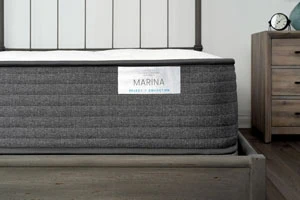
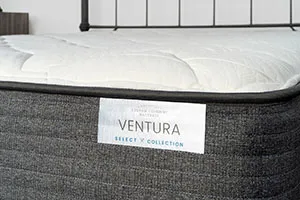
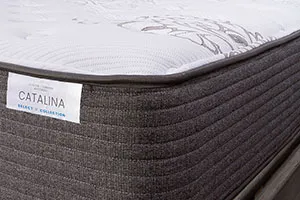
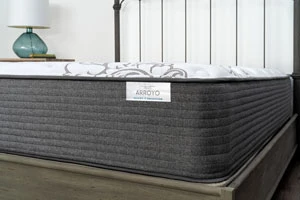
Custom Comfort Mattress offers three distinct handcrafted mattress collections designed to meet different budgets while maintaining superior quality and performance.
- Select Collection is a well-built entry point offering quality materials and comfort at an accessible price.
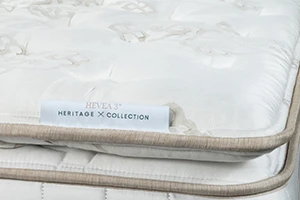
- Heritage Collection offers premium materials and dual-sided durability, designed for long-term performance.
- Reserve Collection includes luxury mattresses featuring natural and organic materials with the highest level of craftsmanship.
While price is, of course, a key consideration, it’s helpful to remember that a mattress is a long-term investment in sleep quality and, in turn, overall well-being. A well-constructed mattress can often last 10-15 years, making it a far better investment than replacing a lower-quality mattress every few years.
Why an In-Store Fitting Makes a Difference
Breaking down these key considerations for buying a new mattress is absolutely helpful, but nothing compares to a real-life trial. Buying a mattress online can seem convenient, but comfort is deeply personal. The way a mattress feels depends on body type, sleep position, and material preference, all of which are difficult to evaluate without experiencing them firsthand.
An in-store mattress fitting allows you to:
- Compare different types of mattress construction
- Test firmness levels directly
- Experience natural materials like latex and wool
- Receive guidance from knowledgeable sleep specialists
Custom Comfort Mattress offers personalized, no-pressure consultations across our Southern California showrooms. Visit one near you to find the mattress that truly fits your sleep style.
FAQ: How to Choose the Right Mattress
What is the most important factor when choosing a mattress?
Sleep position is often the most important factor. Side sleepers need pressure relief at the shoulders and hips, while back and stomach sleepers typically need firmer support to maintain spinal alignment.
How long should a good mattress last?
A well-constructed mattress can last 10-15 years, especially if it uses durable materials and a dual-sided construction that allows it to be flipped and rotated.
Is a firm mattress better for back pain?
Not always. The right firmness depends on sleep position and body type. Many back sleepers benefit from medium-firm support, while side sleepers often need more cushioning to relieve pressure points.
Is memory foam or an innerspring mattress better?
Both options have advantages. Innerspring mattresses offer airflow and responsiveness, while memory foam provides contouring pressure relief. Latex and hybrid mattresses often combine the benefits of both.
Should I test a mattress before buying it?
Yes. Comfort is highly individual, and testing a mattress in person is the most reliable way to determine whether it provides the right support and feel for your body.
Reviewed & Approved By Custom Comfort Mattress
Custom Comfort Mattress is a family owned California mattress manufacturer crafting handcrafted mattresses since 1986. Each guide is reviewed by our mattress expert to ensure accuracy, material expertise, and comfort insights drawn from decades of craftsmanship and personalized showroom fittings. Explore our Stories of Comfort to see how customers experience the difference.