







 FIND A SOCAL SHOWROOM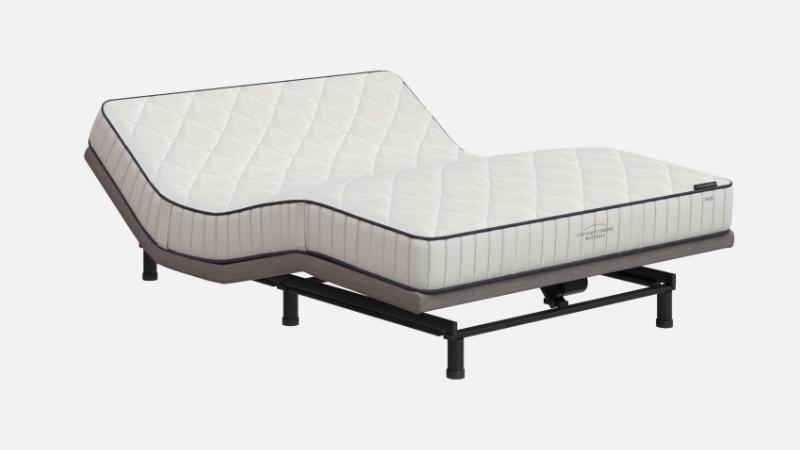











 24002 Via Fabricante, Suite 100
 949-877-3889
 24002 Via Fabricante, Suite 100










Key Takeaways
- Natural, foam, and innerspring mattresses differ in materials, feel, durability, and support.
- Natural latex mattresses offer breathable, non-toxic comfort with the longest lifespan.
- Foam mattresses provide deep contouring and motion isolation but may retain heat.
- Innerspring mattresses deliver firm, responsive support with strong airflow and edge stability.
Shopping for a new mattress brings excitement and anticipation of better sleep, but with so many mattress types on the market, it can also feel overwhelming. For instance, should you choose a natural latex, memory foam, or innerspring mattress, or perhaps a hybrid? After all, each mattress type has unique materials, feel, and support levels that can dramatically affect your sleep quality.
Fortunately, the experts at Custom Comfort Mattress are here to help! With decades of experience in hand-crafting exceptional sleep solutions using premium materials, we are well-equipped to explain the differences between mattress types to help determine which mattress is right for you. In this guide, we’ll break down natural vs foam vs innerspring mattresses, detailing how each is made, how they feel, and which sleepers they suit best. By the end, you’ll have the knowledge to confidently choose the mattress that is best for your body and your sleep style.
Natural vs Foam vs Innerspring Mattress: How They Compare
Now that we have defined each mattress type as well as some pros and cons of each, let’s take a deeper look at how they compare when it comes to comfort, feel, durability, and price. This handy table highlights how each mattress type performs on these and other key factors, including sleep position:
| Feature | Natural Mattress | Foam Mattress | Innerspring Mattress |
| Core Material | Latex, cotton, wool | Memory or polyurethane foam | Steel coils |
| Feel | Conforming, breathable | Contouring, body-hugging | Firm, bouncy |
| Temperature Regulation | Excellent | Moderate to warm | Good |
| Motion Isolation | Moderate | Excellent | Fair |
| Longevity | 10-15 years (dual-sided) | 6-10 years | 8-10 years |
| Sustainability and Eco-Friendliness | Excellent | Poor | Moderate |
| Comfort vs Support | Buoyant support with gentle pressure relief | Conforms to body shape without buoyancy | Firm support with responsiveness |
| Ideal Sleep Position | Combination sleepers | Side sleepers | Stomach sleepers |
| Cost vs Durability | Higher upfront cost, maximum lifespan | Range of price points, moderate durability that declines for larger individuals | Lower upfront cost and longevity, improves if dual-sided |
If you’re seeking lasting comfort and support from natural materials, a dual-sided natural latex mattress is the best choice for your priorities.
What Is a Natural Mattress?
A natural mattress is made using organic or naturally sourced materials such as natural latex, cotton, wool, or coconut coir, rather than synthetic foams or petrochemical-based components. This makes natural mattresses non-toxic and more sustainable than other mattress types, as well as more breathable.
Construction and Materials
Natural mattresses are built using layers of breathable, eco-friendly materials that give the mattress specific properties inherent to the materials. For example:
- Natural latex offers buoyant support and elasticity.
- Organic cotton and wool help regulate temperature and wick away moisture.
- Some designs include coir (coconut fiber) for natural firmness and airflow.
Not only do our hand-crafted mattresses incorporate natural materials like these, but they also feature a dual-sided design, meaning both sides can be used for sleeping. This allows you to flip and rotate the mattress for even wear, extending the lifespan of the bed and allowing for superior sustainability and consistent comfort over time.
Purpose and Benefits
Natural mattresses offer sleepers non-toxic materials, exceptional breathability, and eco-friendly construction, making them ideal for health-conscious mattress shoppers. Additionally, wool and cotton provide natural moisture control, while latex delivers resilient, contouring support without the “sinking” feel of foam mattresses.
Natural mattresses are also hypoallergenic, making them perfect for those with sensitivities to synthetic materials or chemical additives.
Pros and Cons of Natural Mattresses
As you can already surmise, there are many benefits of natural mattresses, as well as a few drawbacks to consider.
| Pros | Cons |
Long-term durability: Latex and wool are naturally long-lasting and able to maintain their shape and function over time. >>Custom Comfort Mattress Bonus: Many of our natural mattresses are dual-sided mattresses that can be flipped and rotated to extend their lifespans even more. | Higher upfront cost: Natural materials and craftsmanship come at a premium, making natural mattresses more expensive than mattresses made with synthetic materials. |
| Breathable and temperature regulating: Natural materials help sleepers to stay cool and dry through the night. | Heavier to move: Natural latex and wool layers add weight to a mattress, which can make moving and flipping more challenging. |
| Non-toxic and hypoallergenic: Natural mattresses are constructed without harsh chemicals or VOCs that can trigger allergies. | Smaller range of options: Some natural mattresses have limited availability in certain sizes or firmness options. |
Still, for those who value quality, sustainability, and longevity, a natural mattress is an excellent long-term investment.
What Is a Foam Mattress?
The term foam mattress includes mattresses made of memory foam, polyurethane foam or hybrid foam layers. These dense yet responsive foams are designed to contour and cradle your body as you sleep.
Construction and Materials
Most memory foam mattresses feature several layers that perform different functions:
- Comfort layer: A foam mattress’ top layers are made of memory foam that softens under heat and pressure to conform to your body.
- Support layer: Polyurethane foam or denser memory foam comes next to help the mattress maintain its structure.
- Base layer: The base of a foam mattress features high-density foam for stability.
Modern foam mattresses may also include gel-infused or open-cell foams to allow for better airflow and cooling, a significant improvement over traditional foam mattresses and an important consideration for hot sleepers.
Purpose and Benefits
Foam mattresses are popular for their pressure-relieving properties, adapting closely to your body shape, aligning the spine, and easing joint discomfort. They also excel at motion isolation and offer quiet performance, making them great for couples.
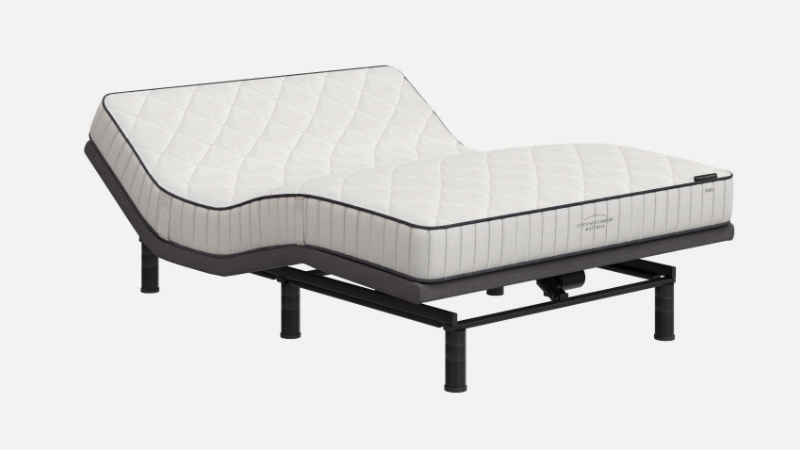
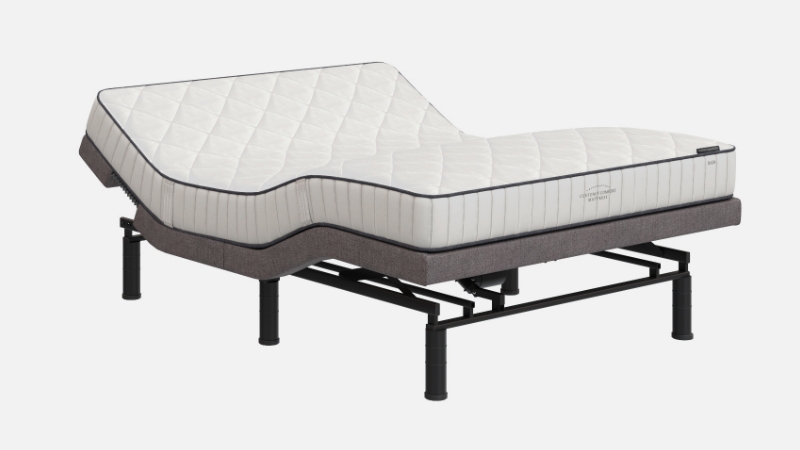
Foam mattresses also pair well with adjustable bed bases, offering flexibility and modern convenience.
Pros and Cons of Foam Mattresses
Foam mattresses have many unique properties, some of which can even be considered benefits or drawbacks depending on sleep preferences.
| Pros | Cons |
| Excellent contouring: Foam mattresses conform to the body with a “hugging” feel to promote proper spinal alignment and pressure point relief. | Heat retention: The density of memory foams doesn’t allow airflow through the mattress and can trap body heat unless offset with cooling technologies. |
| Minimal motion transfer: Foams absorb motion rather than allowing motion to travel across the bed, making foam mattresses great for light sleepers or partners. | Off-gassing: Synthetic materials may initially emit a chemical odor that takes time to dissipate. |
| Wide variety: Foam mattresses are available in multiple firmness levels and thicknesses. | “Sinking” feeling: The same hugging feel that some sleepers prefer can be undesirable for others, as well as make changing positions more difficult. |
If you enjoy a plush, body-conforming feel and value minimal motion transfer, a memory foam or hybrid foam mattress may be a good fit. Our dual-sided mattresses made with denser latex layers can be a good alternative for sleepers who want similar performance with natural materials and superior longevity.
What Is an Innerspring Mattress?
The innerspring mattress is a traditional mattress design featuring steel coil support systems layered beneath outer comfort materials like foam, cotton, or wool.
Construction and Materials
Common types of innerspring mattress coils include:
- Bonnell coils: Hourglass-shaped, offering firm support.
- Pocketed coils: Individually wrapped for improved motion isolation.
- Continuous coils: Interlinked for extra stability and durability.
Custom Comfort Mattress innerspring mattresses combine premium coil systems with natural materials for cushioning, breathability, and a classic, responsive feel.
Purpose and Benefits
Innerspring mattresses deliver strong edge support, bounce, and enhanced airflow, making them well-suited for hot sleepers or those who prefer a traditional, supportive feel. They are also easy to move and widely available across various price points.
Pros and Cons of Innerspring Mattresses
Innerspring mattresses are the longest-lived mattress design for a reason, offering singular benefits as well as some negatives.
| Pros | Cons |
| Cooler sleep experience: Open coils allow air to move more freely, helping to keep the sleep environment cooler. | Shorter lifespan: Springs and coils can sag or lose tension over time. |
| Firm, responsive feel: The firmness of coils helps prevent sinking of the hips, making it well suited for stomach sleepers. | Less contouring: Even with superior comfort layers, innerspring mattresses may create pressure points for side sleepers. |
| Affordable and familiar: These traditional sleep surfaces are widely available and easy to test in stores. | Motion transfer: The bouncy responsiveness of the innerspring allows movement to be felt across the bed. |
A dual-sided innerspring mattress from Custom Comfort Mattress can provide the innerspring feel while significantly extending durability and performance, thanks to both sides of the mattress bearing the load over time.
How to Choose the Right Mattress for Your Comfort and Sleep Style
Clearly, selecting the right mattress depends not only on your sleep position and comfort and material preferences, but also on the performance and longevity you expect from your investment.
If you prioritize natural comfort and durability, a dual-sided natural latex mattress offers both along with the best long-term value. These mattresses are made with breathable materials like cotton, wool, and latex, which help regulate temperature and reduce allergens while providing resilient, supportive comfort.
Sleepers who prefer a contouring, pressure-relieving feel often gravitate toward foam mattresses. Memory foam adapts to your body’s curves and offers excellent pressure relief and motion isolation, great for couples or those with joint pain.
Meanwhile, if you love a traditional springy yet firm feel with strong edge support, an innerspring mattress could be the right fit. This mattress type also promotes airflow and a cooler night’s sleep, especially important for hot sleepers.
Ultimately, the right mattress is one that supports your body’s natural alignment, keeps you comfortable through the night, and aligns with your sleep preferences. Choosing between natural vs foam vs innerspring mattresses comes down to what matters most for your comfort, lifestyle, and budget.
- Want a sustainable, breathable, and long-lasting option? Go with a natural latex dual-sided mattress.
- Prefer deep contouring and motion isolation? Opt for a foam mattress.
- Like a classic, firm, and responsive feel? Try a quality innerspring mattress.
Fortunately, each of these mattress types can provide a great night’s sleep when made with care and chosen with your body type, sleep position, and comfort preferences in mind.
Ready to Find the Perfect Mattress for You?
Ready to experience deeper, more restorative sleep on a mattress built to last? Discover the handcrafted difference of our dual-sided natural mattresses, expertly designed for exceptional durability, balanced comfort, and long-term support. Explore our full collection of premium quality natural mattresses and feel the lasting comfort that only a Custom Comfort Mattress can deliver.
Visit one of our eight Southern California showrooms for your complimentary sleep consultation and see firsthand why Custom Comfort Mattress is the best choice for your best-ever sleep.
- Shop our website
- Find a showroom location
- Call us at 866.519.6499 for individualized guidance
- Email us at hello@customcomfortmattress.com
Frequently Asked Questions (FAQs)
Which mattress lasts the longest: natural, foam, or innerspring?
Natural latex mattresses last the longest, typically up to 15 years, especially when made in a dual-sided design.
Are natural mattresses better for hot sleepers?
Natural mattresses are better for hot sleepers because their wool and cotton layers promote airflow and wick away moisture to keep you cool and dry all night.
Do foam mattresses sleep hot?
Foam mattresses can sleep hot because dense foams trap heat, but newer gel-infused designs help improve cooling.
Is an innerspring mattress good for back pain?
Innerspring mattresses can be good for back pain if you prefer firm support, but sleepers with chronic pain often find latex or memory foam mattresses more contouring and comfortable.
Can I flip a foam or innerspring mattress?
Most foam and innerspring mattresses cannot be flipped because they are single-sided, but Custom Comfort Mattress dual-sided designs allow flipping for even wear and longer durability.
What’s the best mattress for couples?
Foam mattresses are best for couples who value motion isolation, while dual-sided latex models offer balanced comfort and long-term durability for both sleepers.
Reviewed & Approved By Custom Comfort Mattress
Custom Comfort Mattress is a family owned California mattress manufacturer crafting handcrafted mattresses since 1986. Each guide is reviewed by our mattress expert to ensure accuracy, material expertise, and comfort insights drawn from decades of craftsmanship and personalized showroom fittings. Explore our Stories of Comfort to see how customers experience the difference.