







 FIND A SOCAL SHOWROOM











 24002 Via Fabricante, Suite 100
 949-877-3889
 24002 Via Fabricante, Suite 100









Key Takeaways
- A mattress topper is a removable comfort layer — typically 1 to 5 inches thick — that adjusts how your mattress feels without replacing it
- Toppers can add softness, relieve pressure at hips and shoulders, regulate temperature, and extend your mattress’s usable life
- A mattress topper is not the same as a mattress pad or protector — only a topper meaningfully changes the feel and comfort of your sleep surface
- Material matters: latex sleeps cooler and responds faster; memory foam contours deeper; wool regulates temperature naturally
- A topper cannot fix sagging or structural breakdown — if your mattress has lost its support, a new mattress is the right solution
- Choosing the right material and thickness is key to getting the results you want
A mattress topper is a common term in today’s mattress marketplace, but many people are unclear about what one actually is, how it should be used, or how it differs from a mattress pad or protector. While all of these items have a purpose among sleep solutions, only a mattress topper can truly and meaningfully improve the feel and comfort of your mattress without replacing it entirely.
Since 1986, Custom Comfort Mattress has been Southern California’s premier manufacturer of handcrafted mattresses, mattress toppers, and sleep accessories, with years of expertise in the intricacies, types, and benefits of mattress toppers. In this guide, we’ll explain what a mattress topper is, how it differs from other bedding layers, the types available, and how to decide if one is right for you.
What Is a Mattress Topper?
A mattress topper is a removable comfort layer that sits on top of your mattress, designed to improve cushioning, support, or even temperature regulation.
If your mattress feels too firm, slightly uncomfortable, or less supportive than it once was, a mattress topper can be a simple and effective way to improve your sleep experience.
Toppers typically range from one to five inches thick and are made from a variety of materials, each offering a different feel. Some are designed to provide deep contouring and pressure relief, while others offer a more responsive and breathable surface.
Beyond simply adding softness, the right mattress topper can improve pressure relief, regulate temperature, and extend your mattress’s usable “comfort” life. However, while a mattress is built with multiple layers that work together to provide both comfort and support, a topper only affects the top layer. As such, it can improve how your mattress feels but cannot correct structural issues such as sagging or a lack of support.
Mattress Topper vs. Mattress Pad vs. Mattress Protector
As mattress accessories that are all used as layers on the exterior of a mattress, these three products are often grouped – and even used – together. Still, they serve very different purposes:
- A mattress topper is the thickest and most impactful outer layer of a bed. It is designed to meaningfully change how your mattress feels. If your bed feels too firm, too flat, or lacks pressure relief, a topper is the most effective way to adjust comfort.
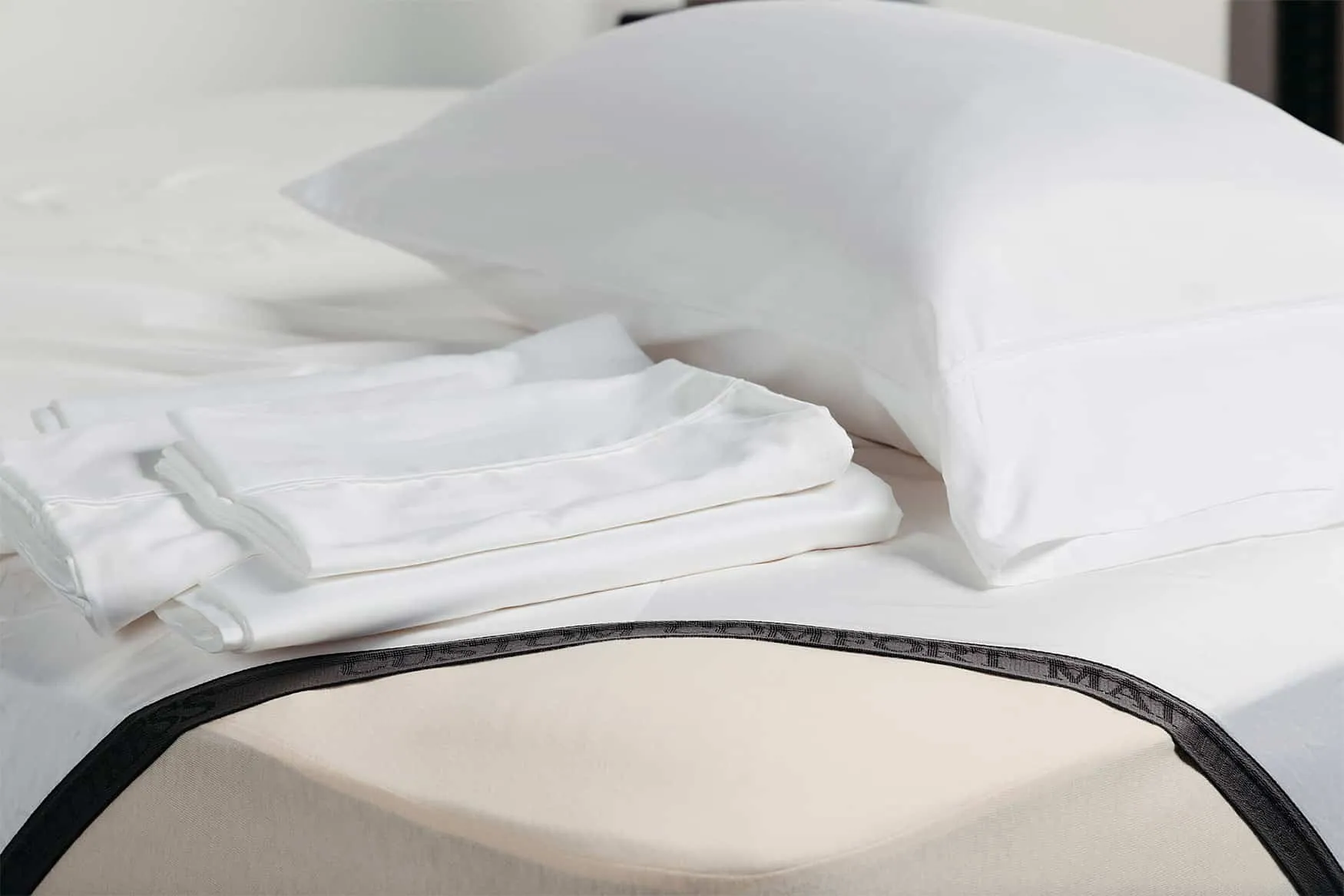
- A mattress pad is thinner and provides a lighter level of cushioning. It can make a bed feel slightly softer or more padded, but it will not significantly change firmness or support. Pads can also provide protection and are best for subtle comfort adjustments rather than major improvements.
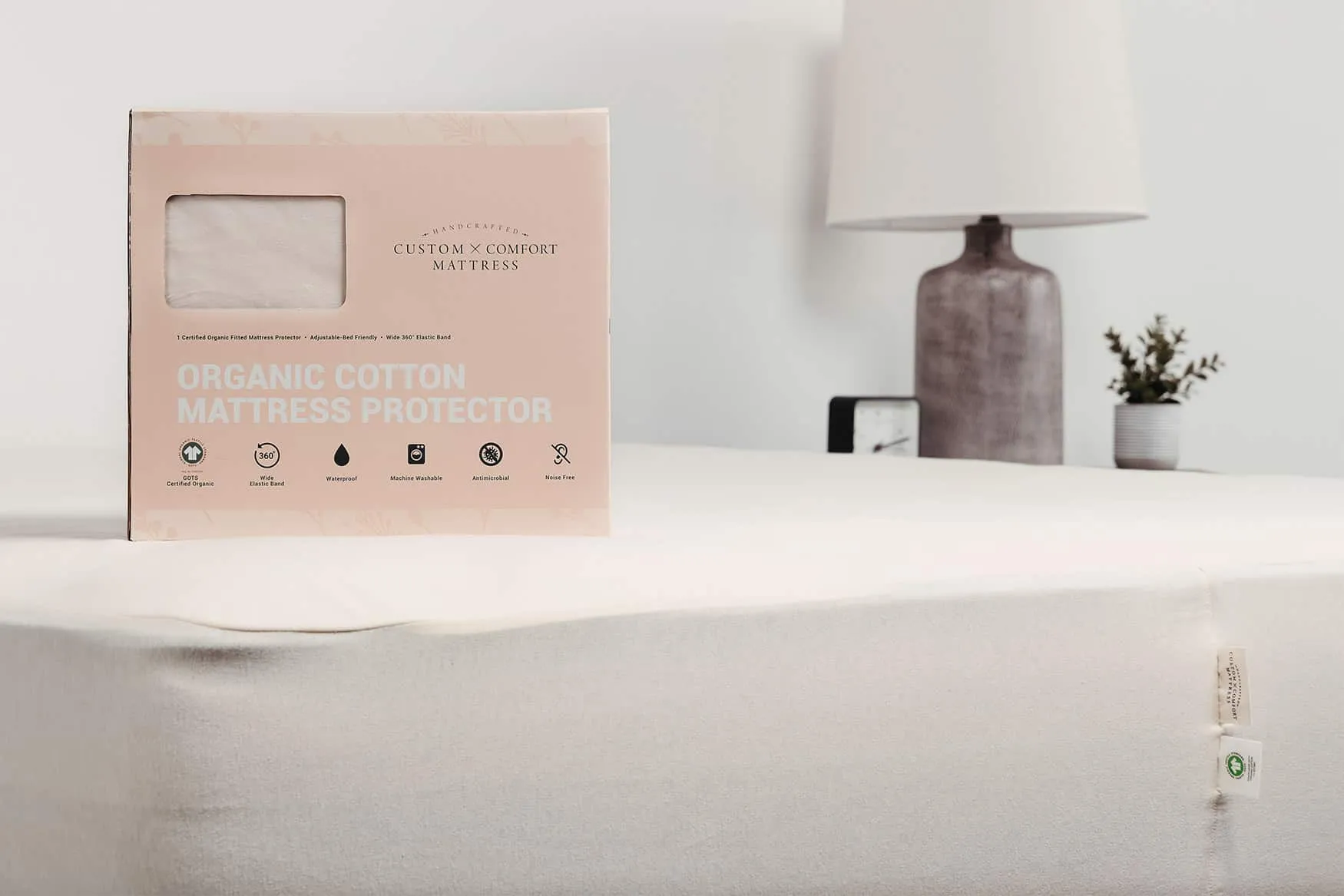
- A mattress protector is designed solely for protection. It helps shield both mattresses and mattress toppers from spills, allergens, dust mites, and everyday wear. While some protectors have a quilted surface, they are not designed to improve comfort significantly and can instead be used over mattress toppers or even pads.
Understanding these differences is important to ensure you’re choosing the right solution for your specific needs. If your goal is to improve how your mattress feels, a topper is the right place to start.
What Does a Mattress Topper Do?
A mattress topper is essentially a way to fine-tune how your bed feels without replacing the entire mattress. For example, instead of replacing your mattress because it feels slightly too firm or lacks cushioning, a topper adds an extra layer to create a more comfortable sleep surface.
A mattress topper works at the surface level, modifying the comfort layer of your bed without affecting the support underneath. This makes it especially useful when your mattress still provides proper alignment but no longer feels comfortable.
Add Pressure Relief
One of the most common reasons people use a mattress topper is to reduce pressure at key contact points. Areas like the shoulders, hips, and knees naturally press into the mattress. If the surface is too firm, this can lead to discomfort or stiffness. A topper adds cushioning to help distribute weight more evenly and provide extra comfort.
Adjust Surface Feel
Different toppers create different sensations. Some materials, like memory foam, contour closely to the body and create a more cradled feel. Others, like latex, offer a more buoyant and responsive surface. This allows you to customize your sleep experience as sleep needs and preferences change without replacing your mattress altogether.
Improve Temperature Comfort
Temperature regulation plays a major role in sleep quality. Certain materials, particularly latex and wool, allow for better airflow and help prevent heat buildup. If your mattress tends to trap heat, adding a breathable topper can make a noticeable difference.
Support Movement and Ease of Use
A topper can also affect how easily you move across the bed. More responsive materials make it easier to change positions, which is important for combination sleepers. Less responsive materials may absorb motion, which can be beneficial if you share a bed.
Extend Mattress Life
If your mattress is still structurally sound, a topper can refresh its comfort layer and extend its usable lifespan. A mattress topper acts as an additional buffer, reducing wear on the mattress surface.
However, it’s important to be realistic about what a topper can and cannot do. It can improve comfort, but it cannot fix sagging, uneven support, or structural breakdown in any mattress.
Mattress Topper Types and Materials
There are several types of mattress toppers and materials, each offering a different feel and level of support depending on your sleep preferences.
Latex
Latex mattress toppers offer a more responsive, breathable feel, making them a great option for hot sleepers or those who prefer a bit more lift. They provide pressure relief without the deep “sink-in” feeling of memory foam, making it easier to move and reposition during the night. Latex is also naturally more breathable, which helps with temperature regulation.
Memory Foam
Memory foam mattress toppers contour closely to the body, helping relieve pressure points and absorbing bounce to reduce motion transfer. It can be especially helpful for sleepers who experience discomfort at pressure points. However, it tends to respond more slowly and may retain heat.
Gel-Infused Foam
Gel-infused foam is designed to combine contouring comfort with improved cooling. It can be a good option if you like the feel of memory foam but want better temperature regulation.
Wool
Wool is a natural material that helps regulate temperature and wick away moisture. As the outer material on a mattress topper, it is ideal for sleepers who prioritize natural materials and breathability.
Down Alternative
Down-alternative toppers are soft and plush, creating a cloud-like surface feel. They are best suited for those who want added softness rather than cushioning joint support.
Cotton
Cotton toppers are lightweight and breathable. They offer minimal cushioning but can add a clean, natural layer of comfort to your bed.
High-quality, natural materials like those used in our mattress topper collection can make a noticeable difference when comparing your options.
Who Should Consider a Mattress Topper?
A mattress topper is a practical solution for many sleepers, especially those who want to improve comfort without committing to a new mattress.
Many people assume that when a mattress’ comfort declines, the only solution is to replace it entirely. In reality, that’s not always necessary. If the underlying structure is still supportive, a topper can help you adjust the feel of your bed without the cost or commitment of a new mattress.
You may benefit from a topper if your mattress feels too firm but still provides adequate support. This is one of the most common scenarios, and one where a topper can make a significant difference.
It’s also a good option if your comfort preferences have changed over time. For example, you may now prefer a softer surface or need more pressure relief than when you originally purchased your mattress.
Toppers are also useful for guest rooms. Instead of replacing a mattress that is still usable, a topper can make it more comfortable for visitors without a major investment.
For couples, toppers can help create a more individualized and balanced feel across the bed. While it won’t fully customize each side, a mattress topper can add softness, reduce motion transfer, or enhance overall comfort for both sleepers.
How to Know if You Need a Mattress Topper
A topper is most effective when your mattress still provides support but feels slightly off in terms of comfort.
Good indicators include a mattress that feels too firm, mild discomfort at pressure points, or a change in sleep preferences. However, if your mattress has visible sagging, uneven areas, or no longer supports proper alignment, a topper is unlikely to solve the problem.
In that case, it’s best to test out new mattress options in person. Our Heritage, Select, and Reserve mattress collections are not to be missed and feature a wide variety of materials, firmness, and comfort options, and price points to suit your mattress needs.
How to Choose the Right Mattress Topper
Choosing the best mattress topper depends on your sleep position, comfort preferences, and what you want to improve about your current mattress.
- If your mattress feels too firm, look for a topper that adds cushioning and pressure relief.
- Hot sleepers should focus on breathable materials.
- For a more responsive feel, latex may be the better choice.
Thickness also plays an important role. A thinner topper provides a subtle adjustment, while a thicker topper creates a more noticeable change. Body weight can also influence how a topper feels. Heavier sleepers may compress softer materials more, while lighter sleepers may experience the same topper as softer.
Your sleep position matters as well. At a glance:
- Side sleepers often benefit from softer toppers that cushion the shoulders and hips.
- Back sleepers typically need a balance of comfort and support.
- Stomach sleepers generally do better with thinner less lofty toppers that prevent excessive sinking.
Next, let’s dive even deeper into sleep position and how it relates to mattress topper choice.
How a Mattress Topper Affects Different Sleep Positions
The way a mattress topper feels can vary significantly depending on your sleep position and how your body interacts with the bed’s surface. Your primary sleep position plays a big role in how much cushioning or support you need at the surface.
Side Sleepers
Side sleepers typically benefit the most from a mattress topper. This position creates more pressure on the shoulders and hips, which can lead to discomfort on firmer mattresses. A softer mattress topper can help cushion pressure points at the shoulders and hips without sacrificing spinal support, creating a more comfortable sleep surface.
Back Sleepers
Back sleepers generally need a balance of comfort and support. A topper can add a bit of cushioning without compromising alignment, but it’s important not to go too soft. A medium-feel topper often works best to maintain proper spinal support.
Stomach Sleepers
Stomach sleepers usually require a firmer, thinner topper. Too much softness can cause the hips to sink too deeply, which may lead to lower back strain. A subtle comfort layer is typically more effective than a thick, plush topper.
Combination Sleepers
If you move between positions throughout the night, a responsive material like latex can make it easier to shift without feeling “stuck.” This helps maintain comfort across different positions.
Common Mistakes to Avoid When Choosing a Mattress Topper
While a mattress topper can enhance comfort, choosing the wrong one can lead to less-than-ideal results. Here are some pitfalls to avoid:
Expecting It to Fix a Worn-Out Mattress
A mattress topper can improve comfort, but it won’t fix a mattress that has lost its structural support. If your mattress no longer provides support, a topper will only offer temporary relief.
Choosing Based on Softness Alone
It’s easy to assume that softer is always better, but that’s not always the case. The right topper depends on your sleep position, body type, and comfort preferences.
Ignoring Material Differences
Each material behaves differently. Memory foam contours, latex responds quickly, and wool offers subtle cushioning. Choosing the wrong material can lead to a mismatch in comfort.
Going Too Thick
A thicker topper creates a more noticeable change, but it can also affect alignment if it’s too soft. Matching thickness to your needs is key.
When a Mattress Topper Is Not Enough
As noted above, a topper can improve mattress comfort and longevity, but it does not fix structural issues.
If your mattress has sagging, uneven support, or has simply reached the end of its lifespan, adding a topper may provide temporary relief but will not address the underlying problem.
In these cases, a new mattress is often the better long-term solution and wiser investment.
Is a Mattress Topper Worth It?
For many sleepers, the answer is yes. A well-made mattress topper can meaningfully improve comfort, support, and temperature regulation without requiring a full mattress replacement.
Understanding what a mattress topper is and how it works can help you make a more informed decision about your sleep setup. Whether you’re looking to add softness, improve support, or regulate temperature, the right mattress topper can make a noticeable difference and extend the life of your mattress.
If you’re looking to fine-tune your sleep experience, exploring the thoughtfully crafted options in our mattress topper collection can be a worthwhile next step.
Ready to Find the Right Comfort Layer?
If your mattress still provides support but doesn’t feel quite right, the right mattress topper offers a practical way to improve your sleep without having to start over. A mattress topper is most useful when the issue is comfort, not structure.
Our sleep specialists would love to help you determine whether a topper is the right solution for you or if it’s time for a new mattress. At Custom Comfort Mattress, both will be built to last.
Visit a Custom Comfort Mattress showroom to explore your options in person and find the best mattress topper to fit your needs and sleep style.
Frequently Asked Questions
What is a mattress topper used for?
A mattress topper is a removable layer placed on top of a mattress to adjust comfort, support, or temperature. Toppers are most often used to soften a mattress that feels too firm, add pressure relief for sleepers with joint or back pain, or extend the useful life of an existing mattress without the cost of replacement. Unlike a mattress pad, which is thinner and primarily protective, a topper is designed to meaningfully change how a bed feels.
What is the difference between a mattress topper, a mattress pad, and a mattress protector?
A mattress topper, mattress pad, and mattress protector each serve different purposes. A mattress topper is typically 1.5 to 5 inches thick and is designed to change the feel of the mattress underneath, adding plushness, support, or pressure relief. A mattress pad is thinner, usually under an inch, and provides minor comfort changes along with light protection. A mattress protector is a waterproof or barrier layer that shields the mattress from liquids, dust mites, and allergens without changing the feel. Many sleepers use a protector underneath a topper to protect both layers at once.
How thick should a mattress topper be?
Mattress toppers typically range from 1 to 5 inches thick, and the right thickness depends on how much you want to change the feel of your current mattress. A 1 to 2-inch topper creates a subtle adjustment, ideal for sleepers who want slightly more cushioning without significantly altering the mattress feel. A 3-inch topper offers a moderate change in plushness and pressure relief, suitable for most sleepers looking for meaningful comfort improvement. A 4 to 5-inch topper delivers a substantial change, best for sleepers who want to transform a firm mattress into a plush sleeping surface.
Is a latex mattress topper better than memory foam?
Latex and memory foam toppers each offer different benefits, so the better choice depends on your sleep priorities. Natural latex is more responsive, breathable, and durable than memory foam, making it the stronger choice for sleepers who move during the night, sleep hot, or want a longer-lasting topper. Memory foam conforms more closely to the body and offers deeper pressure relief, which benefits sleepers who want a cradling feel and prefer minimal bounce. Latex is also the more eco-friendly option because it is plant-derived, whereas memory foam is petroleum-based.
Can a mattress topper fix a sagging mattress?
No. A mattress topper cannot fix a sagging mattress because sagging is a structural issue in the support core that a surface layer cannot correct. A topper may temporarily improve how the mattress feels, but the underlying dips and weakened support will continue to cause poor spinal alignment and disrupted sleep. If your mattress has visible body impressions, sags more than an inch, or no longer supports your back properly, the right solution is a new mattress rather than a topper.
Are mattress toppers good for back pain?
Yes, the right mattress topper can help relieve back pain by improving pressure distribution and supporting proper spinal alignment. Side sleepers with back pain typically benefit from a plush latex or memory foam topper that cushions the shoulders and hips while keeping the spine in a neutral line. Back and stomach sleepers generally need a firmer topper that prevents the hips from sinking and straining the lower back. A topper is most effective when the underlying mattress still provides adequate support; if the mattress itself is sagging or worn out, a topper alone will not resolve the back pain.
Reviewed & Approved By Custom Comfort Mattress
Custom Comfort Mattress is a family owned California mattress manufacturer crafting handcrafted mattresses since 1986. Each guide is reviewed by our mattress expert to ensure accuracy, material expertise, and comfort insights drawn from decades of craftsmanship and personalized showroom fittings. Explore our Stories of Comfort to see how customers experience the difference.