







 FIND A SOCAL SHOWROOM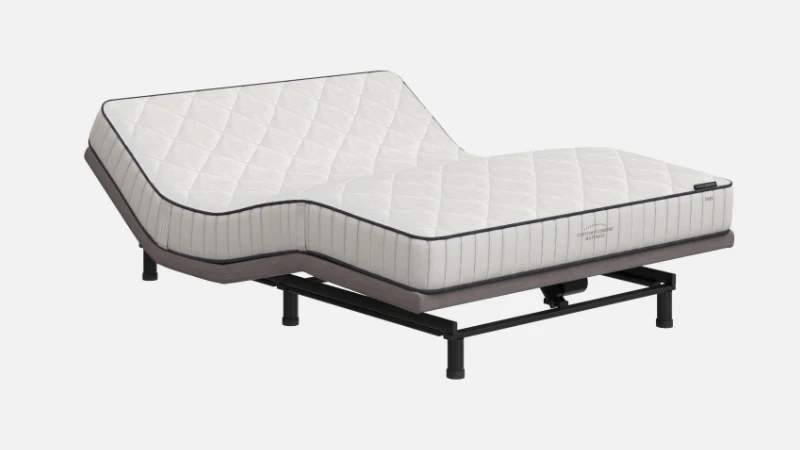











 24002 Via Fabricante, Suite 100
 949-877-3889
 24002 Via Fabricante, Suite 100








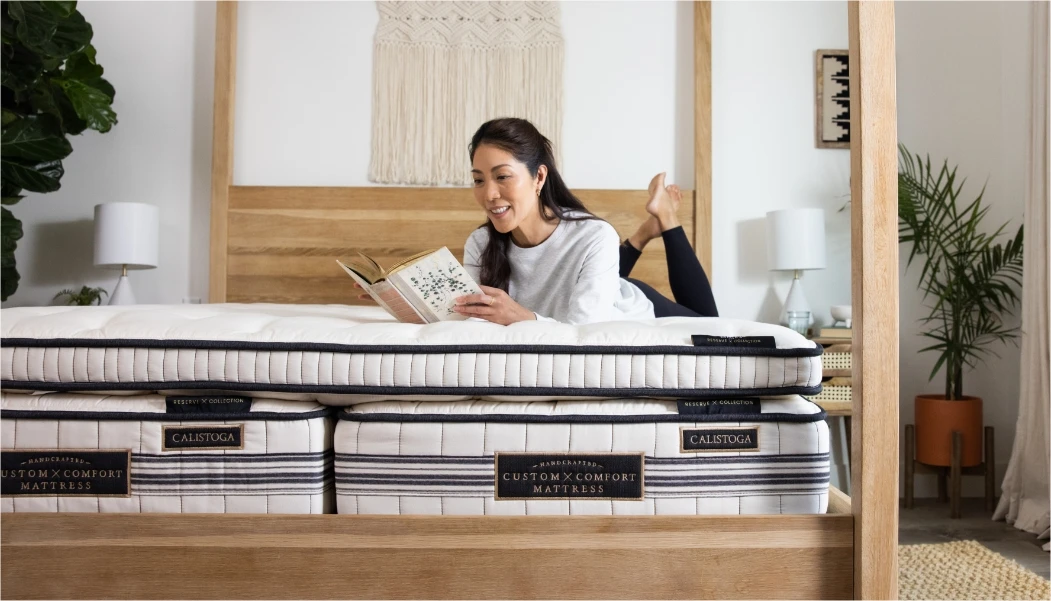

If sciatic nerve pain makes it harder for you to get comfortable at night and get up in the morning, the right mattress can make a meaningful difference. Custom Comfort Mattress has handcrafted mattresses in our Southern California factory for more than 40 years, and this guide draws on what our sleep specialists learn firsthand from fitting customers for proper spinal support and pressure relief every day. There’s no single mattress that works for everyone with sciatica, so this guide is designed to help you understand what to look for: which mattress types help ease pressure on the lower back, which firmness level to aim for, how an adjustable base fits in, and our handcrafted picks for sciatica sufferers. By the end, you’ll know what to look for before you buy.
Key Takeaways
- A medium-firm mattress is generally best for sciatica because it keeps the spine aligned while still cushioning the hips and lower back.
- Natural latex and hybrid constructions can offer a helpful balance of responsive support and pressure relief, cushioning the body while providing spinal support.
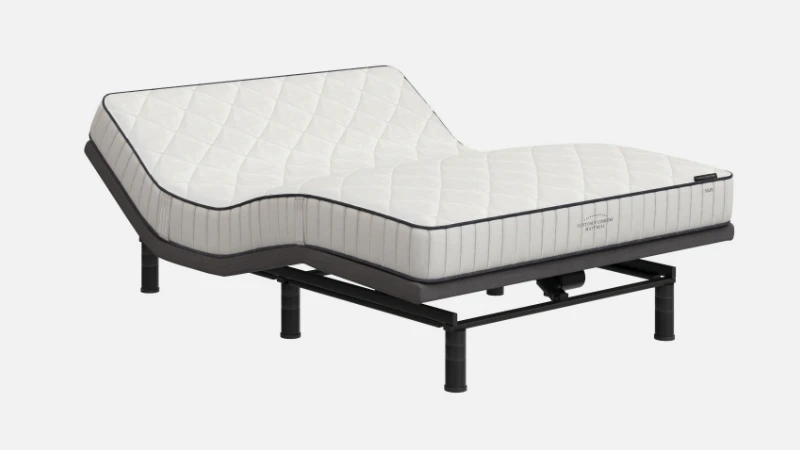
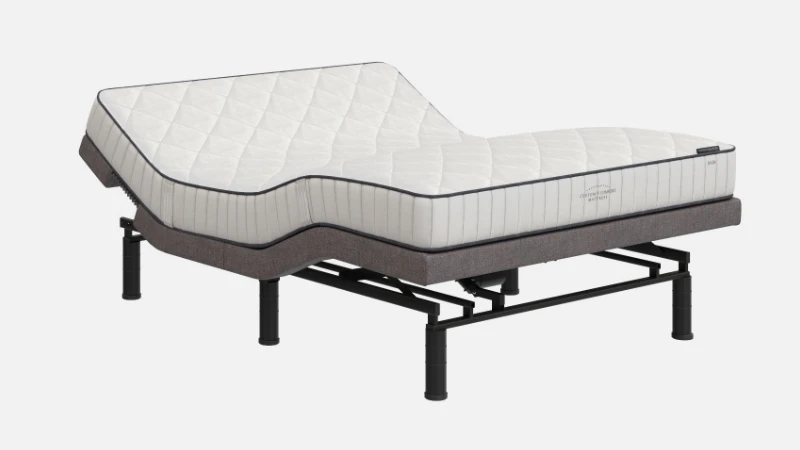
- An adjustable bed can ease sciatica by elevating the head and knees, which reduces strain on the lower back.
- Ideal firmness shifts with body weight, sleep position, and the underlying cause of your sciatica, so testing in person matters more than any general rule.
What Causes Sciatica Pain at Night
Sciatica occurs when something compresses or irritates the sciatic nerve, the long nerve that runs from the lower back down through the hips and each leg. A herniated disc, spinal stenosis, or piriformis syndrome can all create that pressure, and pregnancy-related sciatica is common as well. The result is often shooting pain, numbness, or tingling down one leg.
Nighttime tends to intensify it for the simple reason that you are often in the same position for hours. When a mattress doesn’t support you properly, the hips sink deeper than the shoulders, pulling the lumbar spine out of its neutral curve. That misalignment can increase compression around the sciatic nerve root, leaving you with tension and pain by morning. A mattress that’s too firm creates the opposite problem, concentrating pressure at the hips and shoulders.
The goal is a surface that holds your spine in a neutral line while still cushioning the pressure points. If you’re not sure where your current mattress falls short, our Mattress Match-Up Quiz can help you pinpoint the level of support and comfort that suits your body and sleep position.
Types of Mattresses That Help With Sciatica
The chart below shows how different mattress types balance support and pressure relief.
| Mattress Type | How It Helps | Best For |
| Latex | Buoyant, responsive support cushions the hips without letting them sink. Natural latex is also breathable and easy to move on. | Side and combination sleepers, hot sleepers, anyone who repositions often |
| Hybrid | Pocketed inner coils hold the spine aligned while comfort layers relieve pressure. Strong edge support makes getting in and out easier. | Back and side sleepers who want alignment and cushioning together |
| Memory foam | Contours closely for deep pressure relief at the hips and lower back, though it responds slowly and can retain heat. | Sleepers who want a cushioned, cradling feel and don’t change positions often |
| Adjustable beds | Elevating the head and knees takes tension off the lower back. The zero gravity position distributes weight more evenly. | Sleepers whose pain eases with the knees raised or who also deal with reflux or snoring |
For most sciatica sufferers, latex and hybrid designs are the strongest starting point because they deliver support and pressure relief without the sinking feeling that can aggravate nerve compression.
Best Custom Comfort Mattress Picks for Sciatica
These picks reflect what our sleep specialists see work well for sciatica discomfort during in-person fittings. Each handcrafted model pairs spinal support with pressure relief and is built to order in our Southern California factory. These recommendations come from our mattress and fit expertise, not medical advice, so if nerve pain is significant or persistent, your doctor or chiropractor should be part of the conversation too.
| Product | Type & Feel | How It Helps | Best For |
| Aspen Mattress (Heritage Collection) | Innerspring with a plush quilted comfort top | Motion-absorbing coils keep the hips from dipping while the quilted top cushions pressure at the lower back and shoulders. Double-sided, so it can be flipped and turned with the seasons. | Sleepers who want traditional coil support with a softer surface |
| Napa Mattress (Reserve Collection) | Double-sided latex, medium feel | Plant-derived latex responds as you move rather than letting the hips settle, helping maintain spinal alignment. Organic cotton and breathable wool regulate temperature. | Side and combination sleepers who want responsive pressure relief and cooler sleep |
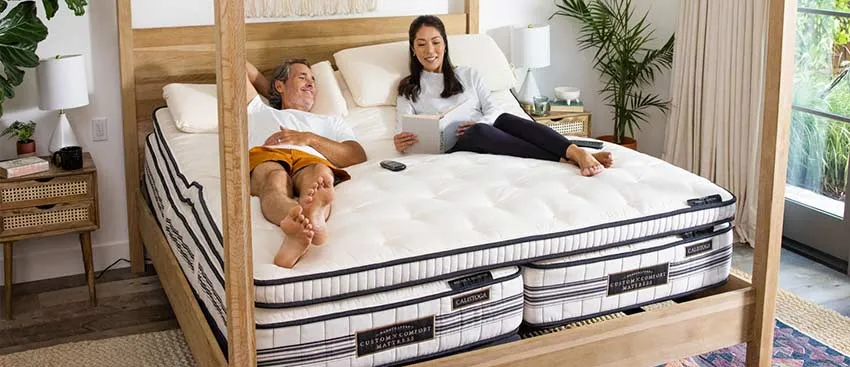
| A-200 Plus Adjustable Bed | Low-profile wireless base | Raises the head and knees to reduce strain on the lower back, with one-touch zero gravity positioning. Works on a platform, slat system, or storage bed. | Sleepers who find relief with the knees elevated |
| A-300 Plus Adjustable Bed | Wireless base with Dual-Wave Massage | Adds massage wave functions to the same positioning control. King and California King bases are split, so each side adjusts independently. | Couples and sleepers who want positioning plus relaxation features |
| A-400 Plus Adjustable Bed | Wireless base with Dual-Wave Massage and lumbar support | Adds a variable lumbar lift to the same head-and-knee positioning, gently supporting the lower back the way a car seat does, helpful for both back and stomach sleepers whose sciatica flares from lumbar strain. | Sleepers who want targeted lower back support built into their positioning |
Not sure which pairing suits you? Schedule a Mattress Fitting, and a sleep specialist will assess your alignment and pressure points to narrow down your options in a single visit.
Key Features to Look For
Based on what our sleep specialists consistently see during in-person fittings, keep these four things front and center when you’re shopping with sciatic pain in mind:
Firmness. Medium-firm is usually best, since it resists the hip sink that misaligns the spine without creating new pressure points. Use this as a starting point, not a rule.
Pressure relief. Comfort layers should cushion the hips, lower back, and shoulders so weight is distributed rather than concentrated where the nerve is already irritated.
Spinal alignment. The support core should hold your hips and shoulders in a level line. Lumbar support matters here: a gap between your lower back and the mattress usually signals too firm, while a visible dip at the hips signals too soft.
Sleep position. Side sleepers generally need more give at the shoulders and hips, back sleepers do best with steady lumbar support and moderate contouring, and stomach sleepers need a firmer surface. However, stomach sleeping tends to aggravate sciatica by arching the lower back.
A few other factors can influence the ideal firmness. Body weight is one: lighter sleepers press less deeply and often perceive the same mattress as firmer, while heavier sleepers may need a sturdier core to stay aligned. The other is the underlying cause of the sciatica. A herniated disc, spinal stenosis, or irritation around the hip can affect which sleep positions and comfort levels feel best.
For more on alignment-focused shopping, our guide to the best mattress for back pain goes deeper, and our chiropractor recommended mattresses are built around the same principles. Anything persistent is worth raising with your doctor or chiropractor.
Tips for Choosing the Right Mattress
- Start with your sleep position, since it determines how much cushioning you need at the hips and shoulders.
- Prioritize medium-firm support, then adjust up or down based on body weight and comfort.
- Look for pressure-relieving materials and construction such as natural latex or a hybrid with pocketed coils.
- Consider pairing your mattress with an adjustable base if elevating your knees eases the pain.
- Test in person and lie in your actual sleep position for several minutes, not seconds.
- Book a personalized fitting so a specialist can check your alignment while you’re on the bed.
Frequently Asked Questions
What is the best mattress firmness for sciatica?
A medium-firm mattress is generally best for sciatica, as it keeps the spine aligned while cushioning the hips and lower back. Too soft, and the hips sink and pull the spine out of line. Too firm, and pressure builds at the hips and shoulders. Ideal firmness can vary by body weight and sleep position.
Can the wrong mattress make sciatica pain worse?
Yes. An unsupportive mattress can worsen sciatica by letting the spine fall out of alignment overnight, and when the hips sink too deeply, pressure builds on the sciatic nerve. A worn or overly firm mattress can cause the same problem through pressure points instead. A supportive, pressure-relieving mattress may help reduce nighttime discomfort by promoting better alignment.
What is the best sleeping position for sciatica?
Sleeping on your back with a pillow under the knees, or on your side with a pillow between the knees, is generally best for sciatica. Both positions keep the pelvis and spine neutral, easing pressure on the nerve. Stomach sleeping is usually discouraged because it arches the lower back.
Can an adjustable bed help relieve sciatic pain?
An adjustable bed may help some people with sciatica find a more comfortable position by elevating the head and knees and reducing strain on the lower back. It also makes it easier to fine-tune your positioning night to night. Pairing an adjustable base with a supportive mattress often provides more relief than either one alone.
Is memory foam or latex better for sciatica?
Both can help, in different ways. Memory foam contours slowly to the body for deep, cushioned pressure relief. Latex offers more responsive, buoyant support that cushions the body without letting the hips sink too deeply, and it’s easier to move on. Sleepers who want a natural, breathable option often choose handcrafted latex.
How soon can a new mattress help with sciatica symptoms?
Many people notice better sleep within the first few nights on a supportive mattress, though full relief depends on the underlying cause. A mattress cannot cure sciatica from a herniated disc or spinal stenosis, but it can reduce the nightly strain that aggravates it. Persistent pain should also be discussed with a doctor or chiropractor.
Sleep With Better Support Tonight
The best mattress for sciatica is one that supports your spine in a neutral position while relieving pressure on the hips and lower back. For most sleepers, that means a medium-firm surface built with responsive, pressure-relieving materials, and adding an adjustable base to elevate the knees can further enhance relief. Since sciatica has different causes and every body responds differently, treat these as starting points and let your comfort guide your final selection.
Since Custom Comfort Mattress handcrafts mattresses rather than mass-producing them, you’ll enjoy the benefits of a mattress built to fit your needs and specifications using premium natural materials such as organic cotton, wool, and plant-derived latex. Visit a Custom Comfort Mattress showroom for a personalized fitting and the expert guidance you need to find the right balance of pressure relief, spinal support, and comfort.
Reviewed & Approved By Custom Comfort Mattress
Custom Comfort Mattress is a family owned California mattress manufacturer crafting handcrafted mattresses since 1986. Each guide is reviewed by our mattress expert to ensure accuracy, material expertise, and comfort insights drawn from decades of craftsmanship and personalized showroom fittings. Explore our Stories of Comfort to see how customers experience the difference.