







 FIND A SOCAL SHOWROOM











 24002 Via Fabricante, Suite 100
 949-877-3889
 24002 Via Fabricante, Suite 100








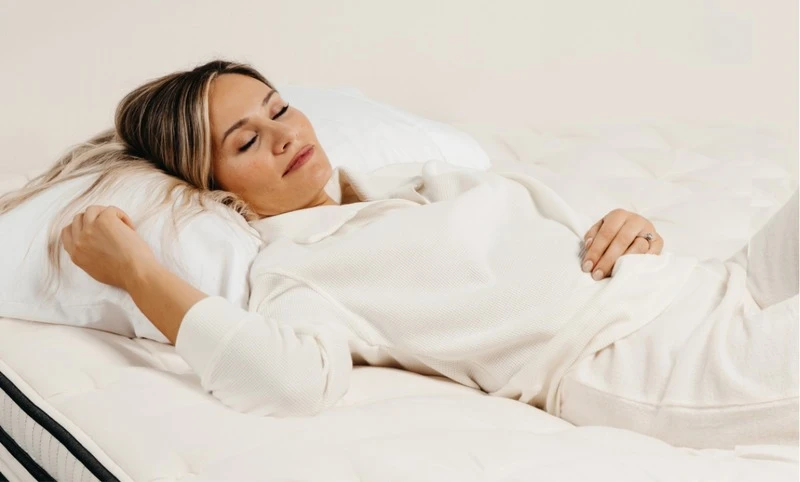

If you wake up hot, sweaty, or tangled in kicked-off covers, your mattress may be working against you. At Custom Comfort Mattress, we’ve handcrafted mattresses in Southern California for over 40 years using breathable natural materials, so we know what keeps sleepers comfortable through warm nights.
In this guide, we’ll explain what actually makes a mattress sleep cooler, which materials and construction features regulate temperature, and how to separate genuine cooling from temporary fixes. By the end, you’ll know exactly what to look for in the best cooling mattress for your body and the way you sleep.
Key Takeaways
- The best cooling mattress relies on breathable materials and airflow-friendly construction to move heat and moisture away from your body all night, not a surface coating that fades within minutes.
- Natural latex, wool, and cotton are the most reliable temperature-regulating materials, while dense memory foam is the most likely to trap heat.
- Innerspring and hybrid mattresses sleep coolest because their coil cores create continuous airflow, giving body heat a clear path out of the bed.
- Latex sleeps cooler than nearly any foam: it’s breathable and responsive, so you rest on top of it rather than sinking into a heat-trapping pocket.
- Gel infusions and cool-to-the-touch covers can help at the surface, but they work best alongside breathable construction, not as a replacement for it.
- Hot sleepers, couples, and anyone in a warm climate or a home without central air benefit most from a temperature-regulating build.
What Makes a Mattress Sleep Cool
Your body releases heat and moisture all night long. A cooling mattress is simply one that lets heat escape rather than trapping it against you. When air can circulate through the layers of a bed, warmth dissipates, and your sleep temperature stays steadier. When it can’t, heat buildup turns the surface into what feels like an oven in a few hours.
Real cooling comes from mattress materials and construction working together. Breathable comfort layers draw heat and moisture away from your body, and an open support core gives that warmth somewhere to go. No single feature does the job alone.
While many mattresses advertise proprietary cooling technology, airflow remains the foundation of temperature regulation. Breathable construction allows body heat to escape continuously throughout the night, while topical cooling treatments often provide only a temporary sensation. That’s why the materials inside the mattress matter far more than any single cooling feature.
Signs You May Need a Cooling Mattress
Before you shop, it helps to confirm that temperature is your real problem. The most common signs are waking up hot or sweaty, repeatedly kicking off the covers, and restless sleep that gets noticeably worse during the summer months. If you sleep fine in a cool hotel room but toss and turn at home, your mattress deserves some scrutiny.
An aging bed can make things worse. Many people who never used to run warm find themselves overheating on a mattress that’s eight or ten years old. For example, as foam compresses and loses its structure over time, it becomes denser and holds more body heat.
Certain sleepers are especially prone to sleeping hot.
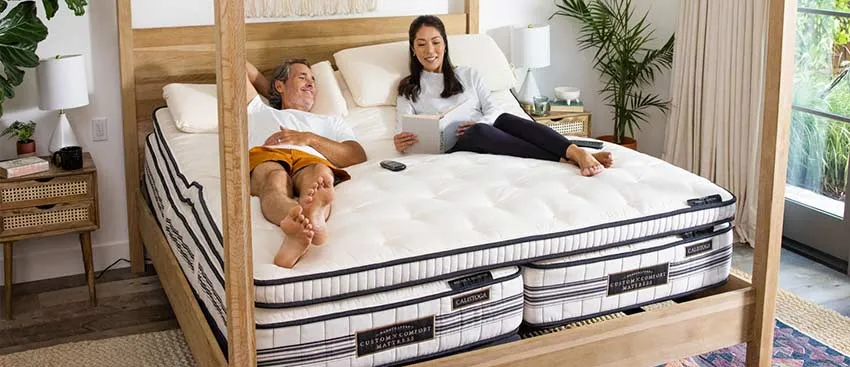
- Couples generate roughly twice as much body heat as a solo sleeper, and it only takes one warm partner to heat the whole bed.
- People in hot climates or homes without central air feel every degree of heat retention.
- And anyone dealing with night sweats, whether from hormones, medication, or simply running warm, benefits from a surface that wicks moisture rather than soaking it up.
If any of this sounds familiar, a temperature-regulating mattress can make a real difference in your sleep quality. Explore the Mattress Match-Up Quiz to see which of our luxury cooling mattresses suits how you sleep.
Cooling Mattress Materials and Construction
Mattress construction is where cooling starts:
A coil-based support core, whether traditional innerspring or individually wrapped pocketed coils, leaves open space inside the mattress. Those channels let air move with every shift of your body, carrying heat out instead of holding it in. All-foam builds work differently from innerspring or hybrid mattresses. Solid foam layers leave little room for air circulation, so unless the design uses open-cell or ventilated foams, heat tends to accumulate.
Materials matter just as much as structure:
Natural latex is inherently breathable and is usually manufactured with small airflow channels throughout. It responds quickly to movement, so you never sink into a heat-trapping pocket. Our natural latex mattresses pair this breathable structure with handcrafted comfort layers that promote airflow, pressure relief, and responsive support for an all-around better night’s sleep.
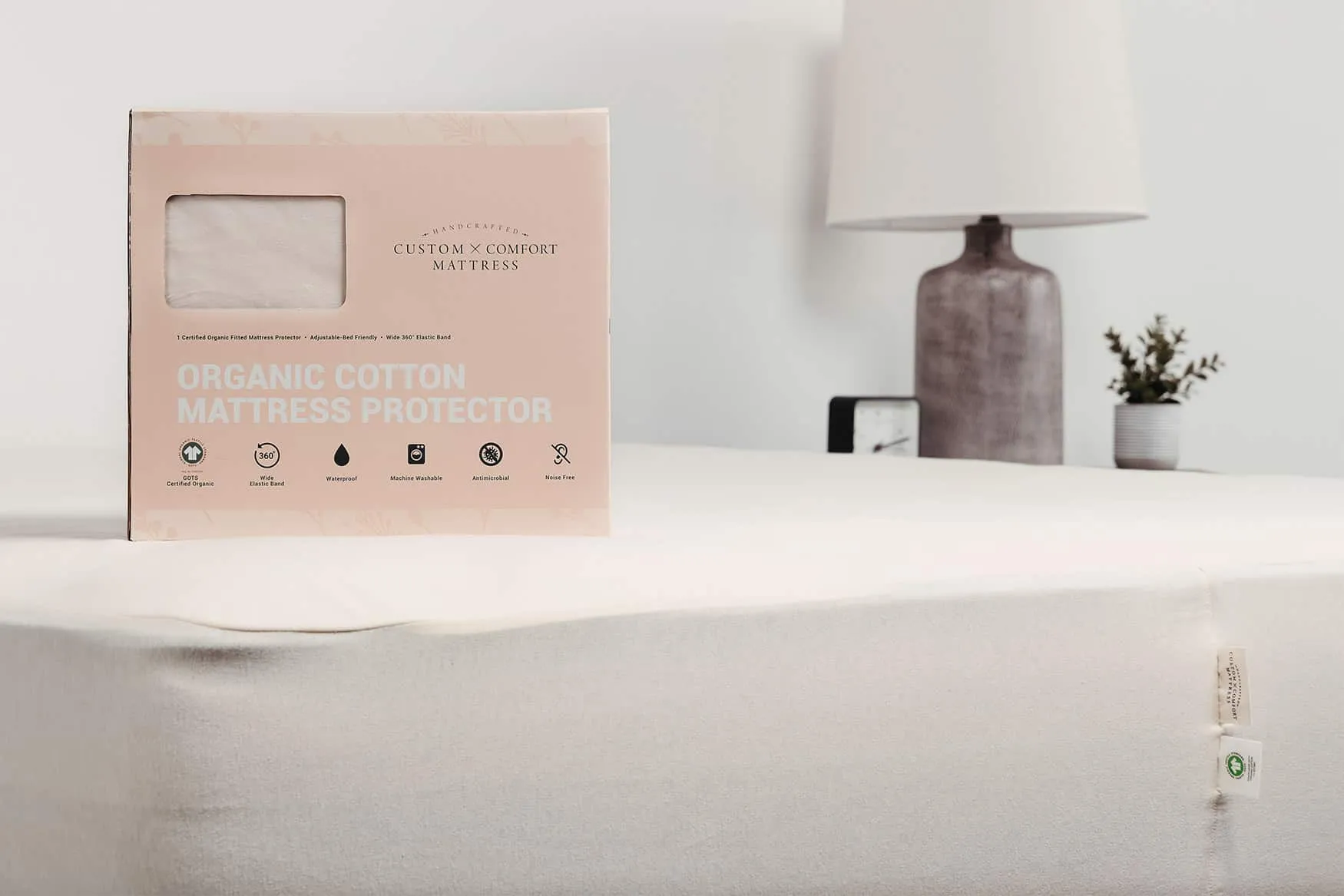
Wool and cotton are the workhorses of temperature regulation. Wool wicks moisture away from your body and adjusts to the season, keeping you cooler in summer and warmer in winter. Cotton is soft, breathable, and quick to release heat. Both excel in covers and comfort layers, which is why we build with them so often, including in our dedicated wool mattresses and cotton mattresses.
Gel-infused and open-cell foams were developed to address the heat problems of traditional memory foam. Gel foam absorbs some body heat, and open-cell structures allow modest airflow. While helpful, these foams can only reduce heat retention, not eliminate it, so they perform best when used alongside breathable materials.
How Mattress Types Compare for Cooling
Different mattress types handle body heat very differently. Here’s how the main categories stack up:
Innerspring: The coil core creates strong, continuous airflow, which is why a well-made innerspring mattress typically feels cooler. Paired with cotton or wool comfort layers, it’s one of the coolest-sleeping designs available.
Hybrid: A hybrid mattress combines coil support with plush comfort layers of latex or foam. You get the airflow benefits of coils plus contouring pressure relief, which makes hybrids a strong choice for hot sleepers who also want a softer surface. Many consider a coil-and-latex design the best hybrid mattress configuration for temperature control.
Latex: Naturally breathable and cooler than nearly any foam, latex allows air to flow freely throughout. It also doesn’t hug the body the way memory foam does, so less heat gets trapped against your skin.
Memory foam: A traditional memory foam mattress is the most likely to get hot. Foam conforms closely to your body, which feels cozy but blocks airflow right where you need it most. Gel memory foam and ventilated designs offer some improvement, but a dense foam mattress simply cannot match the lasting cooling of coil or latex mattresses.
For hot sleepers, the practical guidance is straightforward: favor innerspring, hybrid, or latex builds with breathable natural covers. Natural materials deliver more consistent temperature regulation than synthetic foam alone, because they cool through physics rather than chemistry that wears off.
What to Look for in the Best Cooling Mattress
Material Matters
When you start comparing options, three criteria matter most.
- First, prioritize breathable materials in the layers closest to your body: cotton, wool, or natural latex.
- Second, look for a coil or hybrid core that gives heat a way out.
- Third, check the cover. A natural, moisture-wicking cover keeps the sleep surface dry, while heavy synthetic fabrics can undo the good work of everything beneath them.
Be cautious with any mattress built primarily from dense foam that leans on cooling claims to compensate. If the marketing talks more about proprietary cooling technology than about airflow and materials, that’s usually a sign the underlying construction runs warm.
Personal Factors Factor In
Sleep Position: A side sleeper often wants more pressure relief at the shoulders and hips, which points toward latex or a plush hybrid. A stomach sleeper needs firmer support to keep the spine aligned.
Body Type: Body type, size, and weight matter as well, since deeper sinkage means more surface contact and more retained warmth.
Sleep Temperature: Be honest about how hot you actually sleep. Someone who overheats occasionally has more flexibility than someone who battles night sweats year-round.
Trying Is Believing
Whenever possible, test before you buy. Lying on a mattress for fifteen minutes tells you more about its feel and temperature than any spec sheet. Schedule a mattress fitting with one of our experts to compare breathable materials side by side and experience how different mattress constructions regulate temperature before making your decision.
How to Sleep Cooler Beyond the Mattress
Your mattress is the main ingredient of cooler sleep, but the rest of your sleep setup matters too.
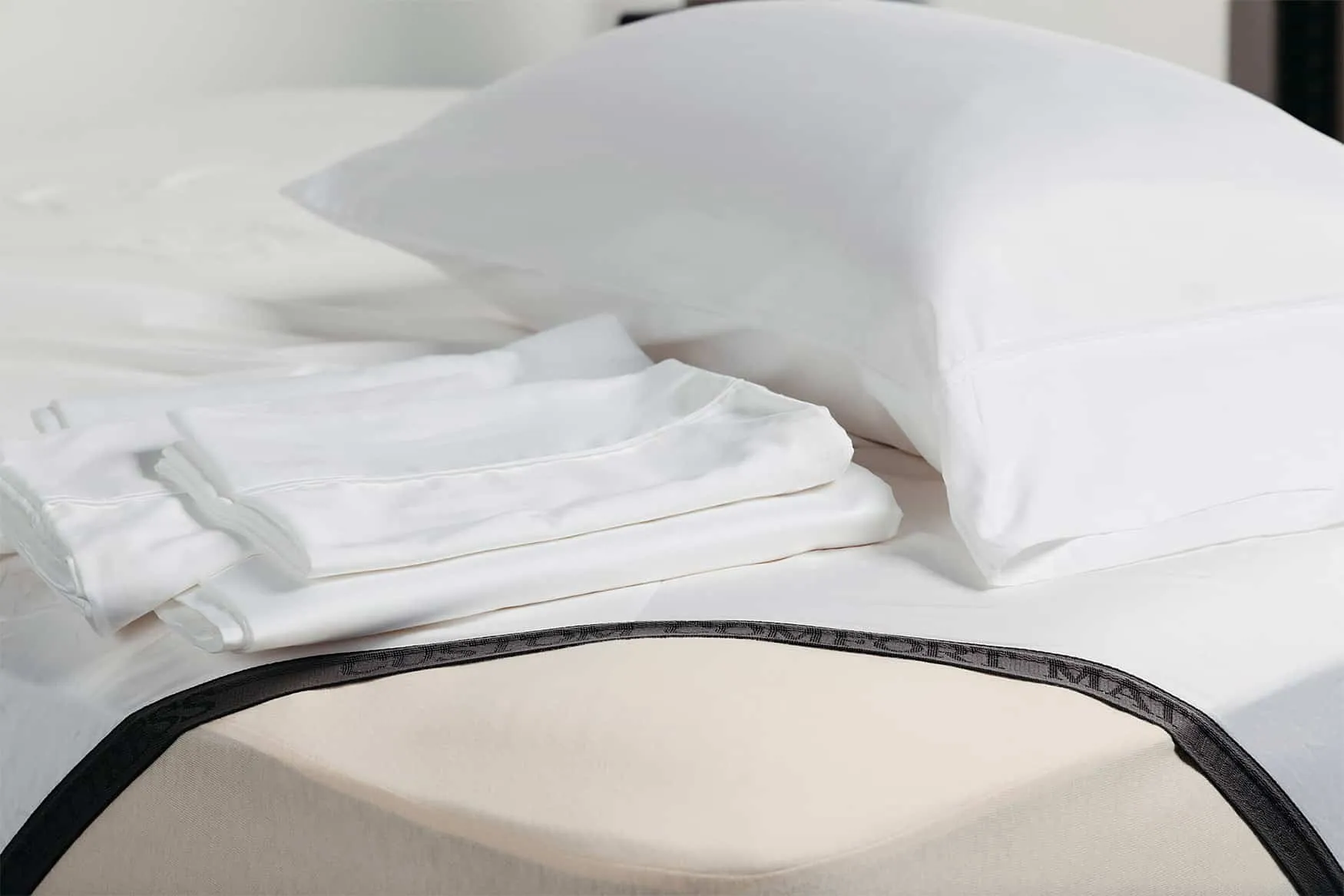
Bedding: Breathable, natural-fiber sheets in cotton or linen release heat far better than polyester blends, and a lighter duvet or blanket gives your body room to shed warmth. Heavy synthetic bedding can make even a cool mattress feel warm.
Foundation: What’s under the mattress counts, too. A slatted or otherwise breathable foundation lets air move around and beneath the bed, while a solid platform can limit circulation from below.
Environment: Finally, look at the room itself. Sleep scientists generally recommend keeping the bedroom at around 65 degrees. A fan increases airflow, which helps sweat evaporate, and moisture-wicking sleepwear keeps moisture off your skin.
None of these steps replaces a breathable mattress, but together they create a sleep environment where a good bed can do its best work.
The Custom Comfort Approach to Cooling
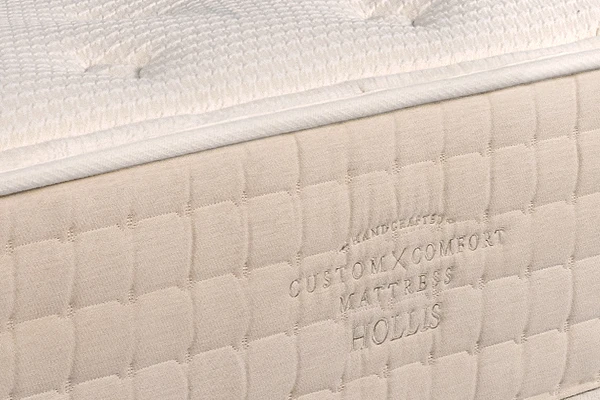
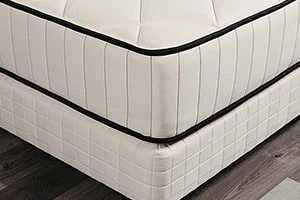
Everything we’ve covered in this guide is built into how we make mattresses. For over four decades, Custom Comfort Mattress has handcrafted beds in our Southern California factory, using natural cotton, wool, and latex, all surrounding American steel coils. The coils create airflow through the core, the natural fibers wick moisture and regulate temperature at the surface, and dual-sided construction lets you flip the mattress seasonally so both sides wear evenly and stay fresh.
Because every mattress is handcrafted rather than mass-produced, materials can also be tailored to better match how each individual sleeps, creating a more personalized sleeping experience. A sleeper who overheats nightly might choose more wool and latex in the comfort layers, while someone who runs only slightly warm has more room for plushness.
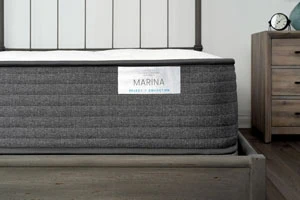
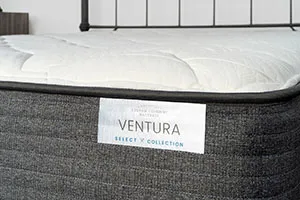
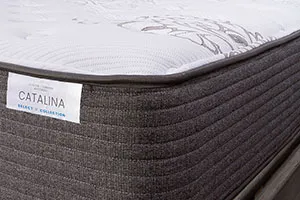
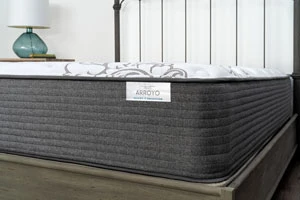
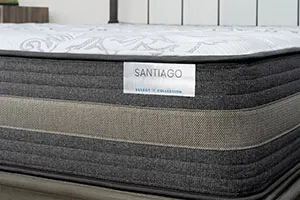
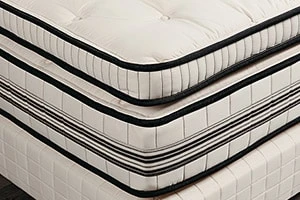
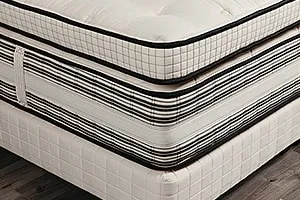
You’ll find breathable temperature-regulating construction across our lineup, from the Select Collection, Heritage Collection and Reserve Collection. Each is handcrafted with natural cotton, wool, and latex, with supportive coil systems designed to help hot sleepers enjoy cooler, more comfortable sleep.
Find the Cooling Mattress That Fits How You Sleep
Choosing the best cooling mattress isn’t about finding the flashiest cooling technology or trendy buzzword. It’s about choosing breathable materials and airflow-friendly construction that continue regulating temperature long after temporary cooling sensations have faded. Natural fibers like cotton and wool, a responsive latex or coil-based design, and a cover that wicks moisture instead of trapping it are the keys to cooler, deeper, more restful sleep.
The surest way to know a mattress is right for you is to test it out in person. Visit a Custom Comfort Mattress showroom near you for a personalized fitting and to compare our handcrafted, temperature-regulating mattresses for yourself.
Reviewed & Approved By Custom Comfort Mattress
Custom Comfort Mattress is a family owned California mattress manufacturer crafting handcrafted mattresses since 1986. Each guide is reviewed by our mattress expert to ensure accuracy, material expertise, and comfort insights drawn from decades of craftsmanship and personalized showroom fittings. Explore our Stories of Comfort to see how customers experience the difference.