







 FIND A SOCAL SHOWROOM










 24002 Via Fabricante, Suite 100
 949-877-3889
 24002 Via Fabricante, Suite 100







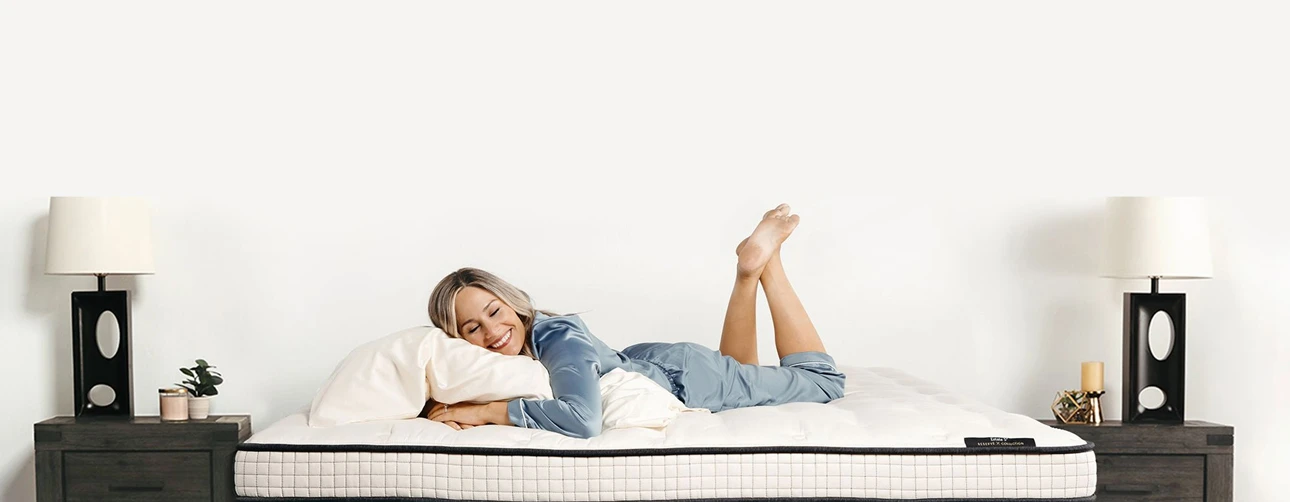

A breathable mattress is designed and constructed to let air circulate through its layers rather than allow heat and moisture to build up inside. For many sleepers, this single quality is the difference between restless nights and deep, uninterrupted sleep.
Custom Comfort Mattress has handcrafted breathable, natural-material mattresses in Southern California for over 40 years. In this article, we’ll leverage that expertise to explain what breathability really means, which materials deliver it, and how to choose a mattress that achieves it. By the end, you’ll be able to judge the breathability of any mattress with confidence.
Key Takeaways
- A breathable mattress is built to let air flow through its layers, carrying body heat and moisture away instead of trapping them, the foundation of cooler, more consistent sleep.
- Breathability comes from the entire construction, not one feature: a breathable cover, open comfort layers, and an airflow-friendly support core. A mattress is only as breathable as its least breathable layer.
- Natural fibers breathe best, cotton and wool wick heat and moisture at the surface, while natural latex adds open-cell airflow through the comfort layers.
- Coil and hybrid support cores keep air moving through the center of the bed; dense memory foam and polyurethane foam restrict airflow and sleep warmer.
- Better airflow also denies dust mites and mildew the trapped moisture they need, a real benefit for allergy-prone sleepers.
- Cool-to-the-touch coatings fade as they absorb body heat; lasting breathability comes from natural materials and construction, not surface treatments.
What Is a Breathable Mattress?
In practical terms, a breathable mattress is one designed to let air flow freely through its layers. As you sleep, your body gives off warmth and moisture. On a breathable surface, that heat passes through the cover, moves along the comfort layers, and escapes through the support core. On a mattress that doesn’t breathe, heat has nowhere to go, so it collects around you, causing your body temperature to climb through the night.
Breathability isn’t a single feature you can add on, nor is it a temporary cooling effect. It’s the result of materials and construction working together, from the fabric you lie on to the structure at the center of the bed. While cool-to-the-touch treatments may chill the surface for the first few minutes, their effect fades once the fabric absorbs your body heat. A genuinely breathable mattress continuously regulates temperature because its structure is designed for air circulation.
What Makes a Mattress Breathable
Construction comes first for breathability. Airflow ultimately separates a truly breathable mattress from one that simply feels cool for a few minutes. When air can move freely through the mattress, excess body heat escapes continuously throughout the night instead of becoming trapped around the sleeper.
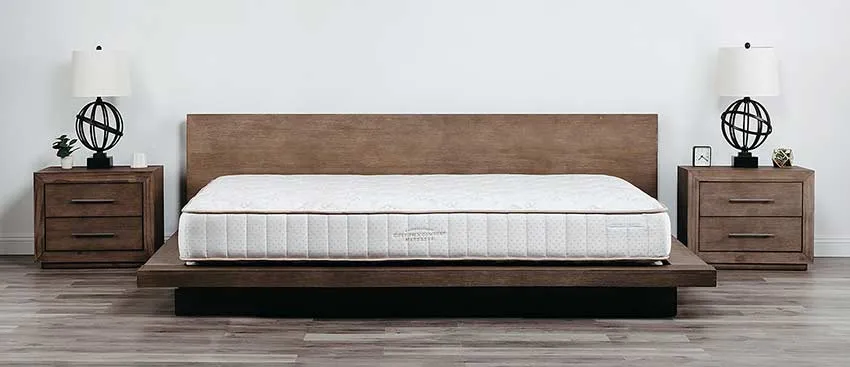
Coil-based designs, whether traditional innerspring or hybrid mattresses with pocketed coils, leave open space within the bed core. Every time you shift, air moves through those channels, carrying warmth away with it. Dense all-foam construction works in the opposite way. Solid foam slabs leave little room for air circulation, so heat that reaches into the mattress tends to stay there.
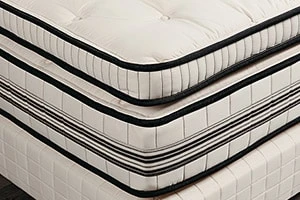
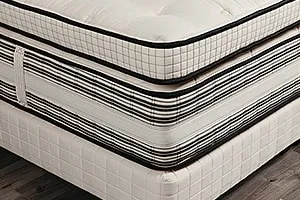
Other layers, apart from the core, affect breathability as well. The cover is the first thing your body heat meets, so a breathable fabric matters more than most shoppers realize. The comfort layers beneath can either conduct heat or absorb it, while the support core determines whether warmth ultimately escapes or accumulates. A mattress is only as breathable as its least breathable layer.
Regardless of what part of the mattress, materials are key to breathable mattress performance. Natural fibers like cotton and wool have loose, open structures that let air pass through and wick moisture away from your body. Deeper within, natural latex is another great option for temperature regulation, typically featuring small airflow channels throughout.
This is in sharp contrast to traditional memory foam, especially dense polyurethane or memory foam that restricts airflow and retains more body heat. While foam can offer cushioning benefits, mattress construction that relies heavily on dense foam will almost always sleep warmer.
Benefits of a Breathable Mattress
Cooler Sleep + Moisture Management = Better Sleep Quality
The most immediate benefit is cooler, more comfortable sleep. When heat can escape rather than build up, hot sleepers stop waking at 3 a.m. to flip the pillow and kick off the blanket. Less heat buildup means fewer disruptions, plain and simple.
Moisture management is the quieter advantage. Everyone releases moisture during sleep, and a breathable mattress wicks that sweat and humidity away so the surface stays drier and fresher. Wool and cotton are especially good at this, which is why they’ve been used in bedding for centuries.
Together, those two qualities add up to better sleep quality. Research on sleep temperature consistently shows that the body sleeps deepest when it can shed heat easily. Less heat retention means a stable sleep temperature, longer stretches of uninterrupted rest, and a difference most people feel within the first week.
Benefits Beyond Comfort
Dust mites and mildew both depend on trapped moisture to thrive, so better air circulation makes a mattress a less hospitable place for them. That’s one reason allergy-prone sleepers often gravitate toward breathable mattresses made with natural materials. And for shoppers trying to avoid heavy synthetic layers and the off-gassing that can come with many foams, breathable natural fibers offer a cleaner alternative.
Breathable Mattress Materials to Look For
When you’re comparing options, these are the best mattress materials for airflow:
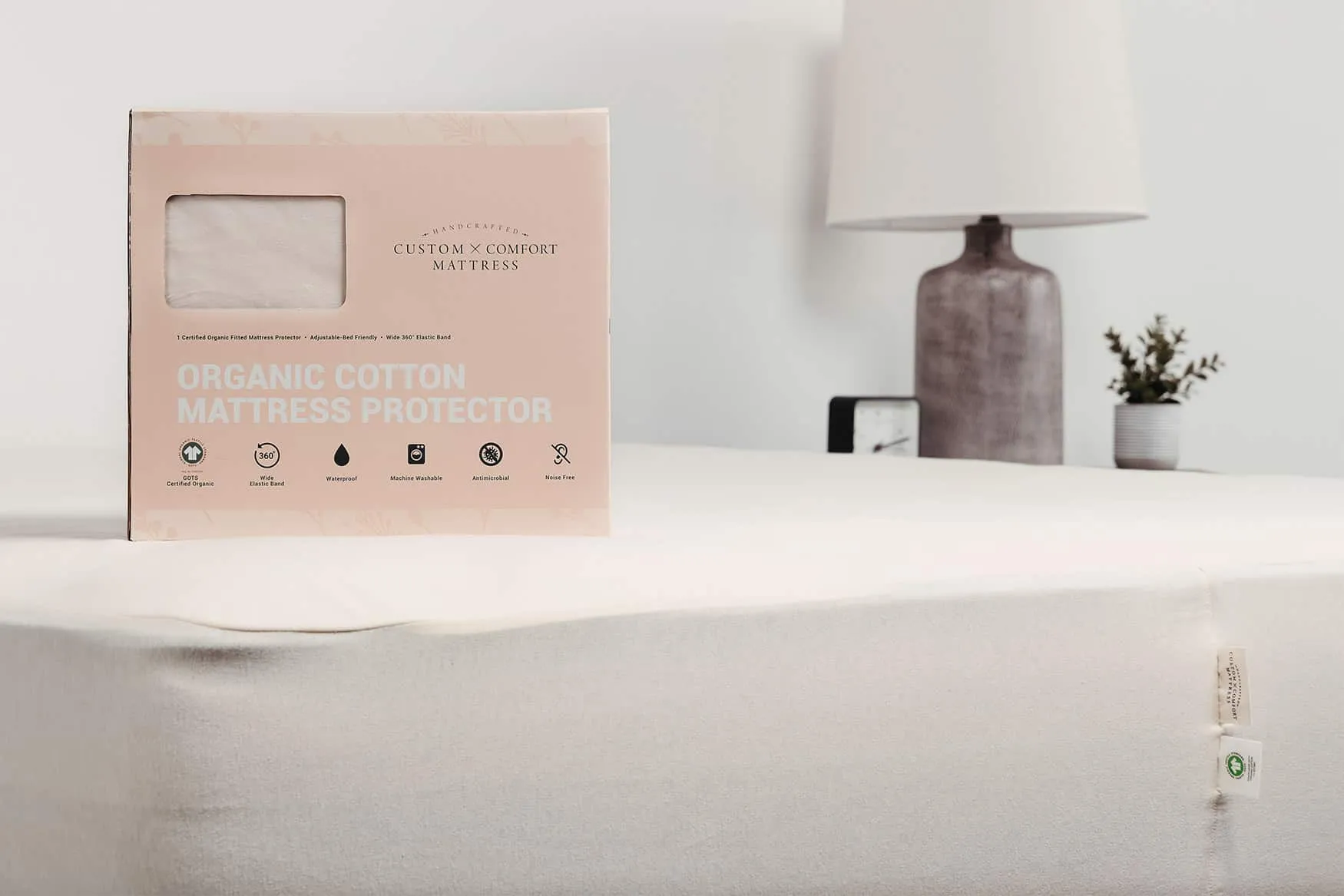
Cotton is soft, breathable, and naturally moisture-wicking, which makes it a favorite for covers and comfort layers. It releases heat quickly rather than storing it, so the sleep surface stays comfortable instead of gradually warming beneath you. Our cotton mattresses use layers of natural cotton for exactly this reason.
Wool is nature’s original temperature-regulating material. It wicks heat and moisture away in summer and insulates in winter, adapting to your body temperature rather than fighting it. In a mattress, wool comfort layers keep the surface dry and steady year-round, which is why we also build a dedicated line of wool mattresses.
Natural latex is responsive and inherently breathable, with an open-cell structure that promotes continuous airflow. Because it springs back rather than hugging the body, you sleep on top of a latex mattress rather than sinking into it, which means less heat is trapped against your skin.
Innerspring and hybrid coils create airflow channels throughout the mattress core. They’re the engine of breathability in most well-ventilated designs, giving the heat that passes through the comfort layers a clear path out of the bed.
Conversely, materials most likely to trap body heat are traditional memory foam and dense poly foam. If a mattress you’re considering includes them, consider how much of the build they make up and what surrounds them. The goal is to evaluate the full construction, not one layer in isolation. A thin foam layer over coils behaves very differently from ten inches of solid foam.
Who Should Consider a Breathable Mattress
While breathable mattresses offer inherent benefits for a variety of sleepers, some benefit more than others.
At the top of the list are hot sleepers and anyone who regularly wakes up warm or sweaty. If overheating is already disrupting your sleep, a breathable build addresses the cause rather than the symptoms. The same goes for people in warmer climates or homes without strong air conditioning, where the bedroom itself works against you on summer nights.
Allergy-prone sleepers are another group worth mentioning. Because breathable natural materials resist the moisture that dust mites and mildew thrive on, they support a cleaner sleep environment for people sensitive to allergens.
Finally, some eco-conscious shoppers simply prefer natural, handcrafted construction over mass-produced synthetic foams. If you care about what your mattress is made of, breathability tends to come along naturally, since the materials that breathe best are the natural ones.
Take our Mattress Match-Up Quiz to see which breathable mattress best suits your sleep style.
How to Choose a Breathable Mattress
Materials Matter
Prioritize natural fibers and breathable comfort layers, since they do the day-to-day work of moving heat and moisture off your body. If sleep temperature is a top concern, choose a coil or hybrid support core so that warmth has somewhere to go once it leaves the comfort layers.
Then look closer at the details. Check for a breathable cover, since a heavy synthetic fabric can undercut everything beneath it. Ask what’s in the comfort layers and whether the build leans heavily on dense foam. These specifics tell you more about how a mattress will actually sleep than any cooling claim on the label.
Personal Factors
Your sleep position and body type shape how deeply you settle into the mattress, and deeper sinkage means more surface contact and retained warmth. A side sleeper who wants pressure relief might lean toward latex, which cushions without wrapping around the body. And be honest about your own temperature preference. Someone who sleeps hot every night should weigh breathability heavily, while someone who runs cold has more flexibility.
Reality Check
Above all, test in person if you can. Fifteen minutes on a mattress tells you more than an hour of reading about it. Schedule a mattress fitting to compare breathable materials side by side and experience how different mattress constructions regulate temperature before making your decision.
The Custom Comfort Approach to Breathability
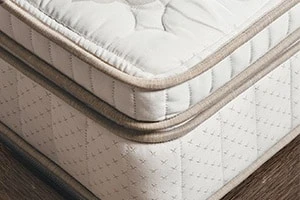
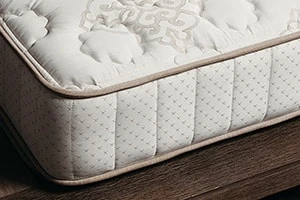
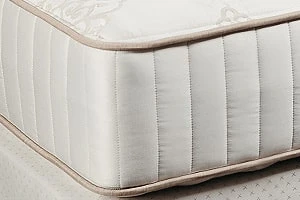
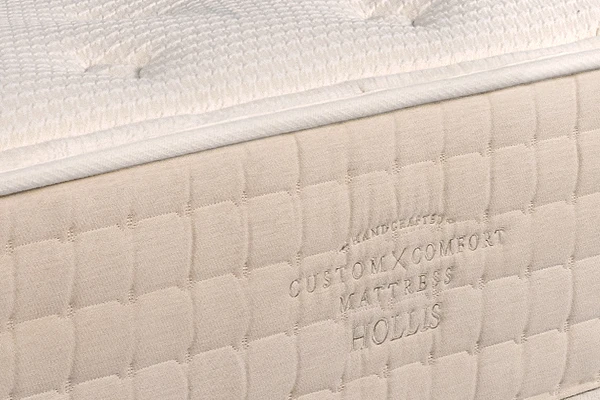
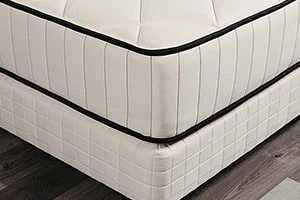
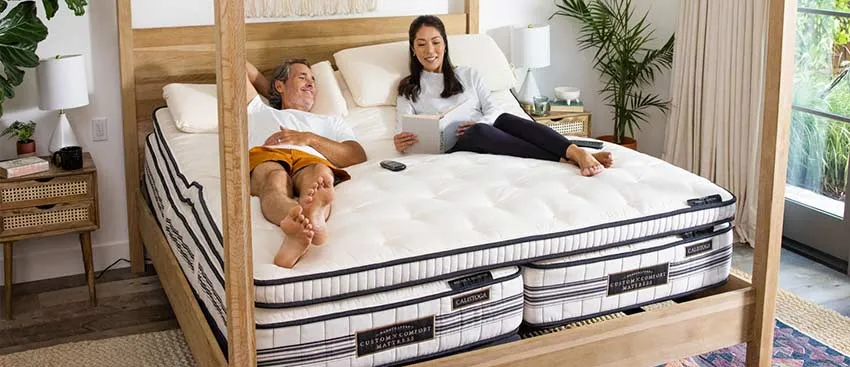
Breathability isn’t an afterthought at Custom Comfort Mattress. It’s built into every mattress we make. We handcraft each mattress in our Southern California factory using natural cotton, wool, and latex layered over American steel coils. The natural fibers wick moisture and regulate surface temperature, the latex breathes through the comfort layers, and the coils keep air moving through the core. Dual-sided construction offers an added advantage: flipping the mattress seasonally lets each side air out and wear evenly, so the bed stays fresh for years longer.
Because every mattress is handcrafted rather than mass-produced, materials are selected to better match how each individual sleeps, creating a more personalized cooling experience. A sleeper who runs hot might choose more wool and latex in the comfort layers, while someone with allergies might prioritize our organic material upgrades.
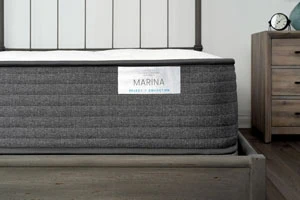
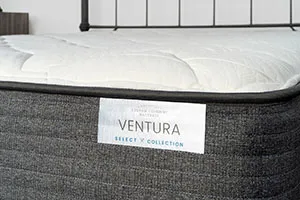
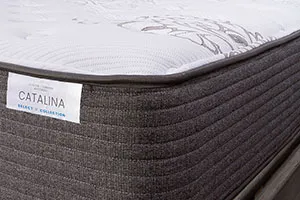
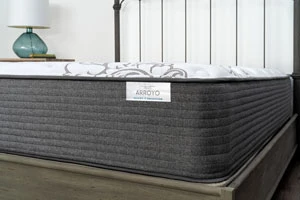
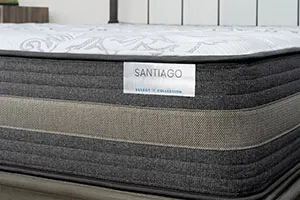
You’ll find this approach across our collections, from the Select Collection to the breathable natural builds of the Heritage Collection and the certified organic cotton, wool, and latex of the Reserve Collection. Whichever direction suits your needs, the goal is the same: cooler, healthier sleep from materials that work with your body rather than against it.
Feel the Difference a Breathable Mattress Makes
Breathability comes down to two things: natural materials that move heat and moisture away from your body, and airflow-friendly construction that gives that warmth a way out. Get those right, and cooler, deeper sleep follows. No surface-level cooling claim can substitute for a build that breathes from cover to core.
For more than four decades, Custom Comfort Mattress has selected breathable, natural, premium materials not because they’re trendy, but because they consistently deliver better quality sleep for sleepers.
The best way to understand the difference is to lie down on it. Visit a Custom Comfort Mattress showroom near you to experience our handcrafted, breathable mattresses in person and receive a personalized recommendation from our sleep specialists.
Reviewed & Approved By Custom Comfort Mattress
Custom Comfort Mattress is a family owned California mattress manufacturer crafting handcrafted mattresses since 1986. Each guide is reviewed by our mattress expert to ensure accuracy, material expertise, and comfort insights drawn from decades of craftsmanship and personalized showroom fittings. Explore our Stories of Comfort to see how customers experience the difference.