







 FIND A SOCAL SHOWROOM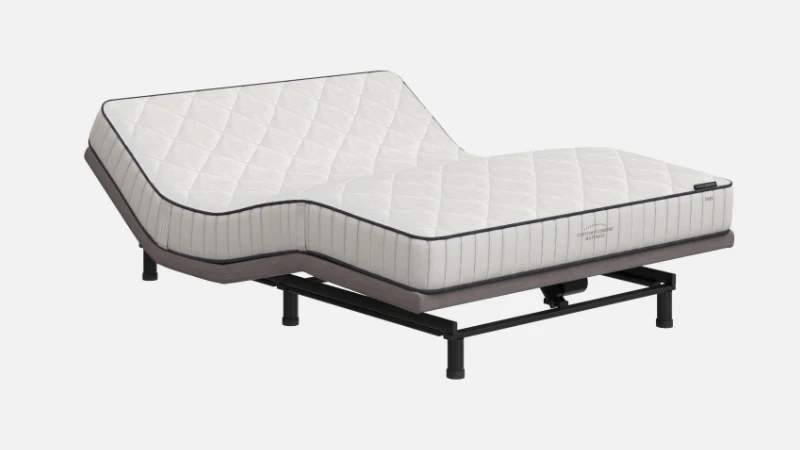










 24002 Via Fabricante, Suite 100
 949-877-3889
 24002 Via Fabricante, Suite 100








The best mattress for seniors isn’t a special category of bed. It’s simply a mattress that prioritizes support, pressure relief, and ease of movement, qualities that matter more with every passing decade. With forty years of handcrafting premium dual-sided mattresses in Southern California, Custom Comfort Mattress has helped generations of sleepers find their ideal sleep solutions through expert guidance and personalized showroom consultations. This guide covers the features worth prioritizing when looking for a mattress for seniors and the mattress types that serve older adults best. By the end, you’ll be able to shop, distinguish, and choose with confidence.
Key Takeaways
- The best mattress for seniors balances four qualities: spinal alignment, pressure relief, ease of movement, and durable construction.
- A medium firm mattress is the most common starting point, but the right firmness level depends on sleep position and body type over age.
- Latex, hybrid, and double-sided designs suit the needs of most senior sleepers, and edge support plus mattress height make getting in and out of bed easier.
- An adjustable base adds customizable head and foot elevation, but mattress and base compatibility must be considered together.
- There is no substitute for in-person testing: lie in your actual sleep position and sit on the edge before you decide.
How Sleep Needs Change With Age
A mattress type that felt perfect a decade ago may not serve you the same way today. However, that’s not a problem with you or the bed. Sleep naturally evolves, with older sleepers often experiencing increased sensitivity in the joints and hips, lighter sleep with more frequent nighttime waking, and changes in sleep temperature, running warm one night and cool the next. As a result, certain mattress qualities become more important in the purchase decision.
Specifically, joint and hip comfort correlates to pressure relief, or the way the surface cushions your body’s contact points. Restful, deeper sleep depends on support, surface stability, and spinal alignment, while temperature regulation relates to mattress materials and construction.
What to Look for in a Mattress for Seniors
There are seven key features that older adults should consider when shopping for a new mattress:
Support and spinal alignment. A properly supportive mattress should keep the hips and shoulders in a neutral line without sagging, allowing muscles to relax fully overnight.
Pressure relief. Comfort layers should cushion the shoulders, hips, and knees, where discomfort is most common, helping to distribute weight instead of concentrating it.
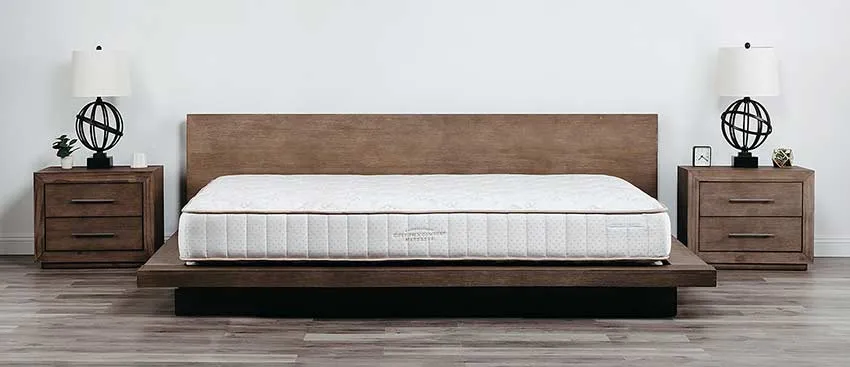
Edge support. A reinforced perimeter makes sitting on the side of the bed and standing up easier, and extends the usable sleep surface all the way to the edge.
Ease of movement. A responsive surface and buoyant feel make it easier to change positions or get out of bed. Surfaces that hug too closely can inhibit movement.
Breathability. Natural materials such as cotton, wool, and latex support airflow and temperature regulation, a real advantage for anyone whose sleep temperature fluctuates.
Durability. Construction quality determines whether the mattress holds its shape over years of use or develops the soft spots that undo everything above.
Mattress height. The combined height of mattress and foundation affects how easily you can sit down and stand up. Your feet should rest flat on the floor with knees roughly level with your hips.
Rather than try to find perfection on seven factors, lead your search with the top two or three comfort and lifestyle priorities, whether that’s pressure relief for tender hips or edge support for easier mornings.
Best Mattress Types for Seniors
Every major mattress type can work for older adults, but each has a distinct personality worth understanding before you shop.
Innerspring. An innerspring mattress is firm, supportive, and breathable, with a responsive surface that makes repositioning easy – a good fit for sleepers who like a traditional feel and sleep warm.
Latex. A latex mattress is buoyant and naturally breathable, offering responsive support that cradles the body without a sinking-in feel. Natural latex also ranks among the most durable comfort materials available.
Hybrid. A hybrid mattress pairs a coil support core with plush comfort layers, balancing spinal support with pressure relief. It’s the middle path for sleepers who want cushioning without giving up structure.
Double-sided. A double-sided mattress is built with equal comfort layers on both sides, so it can be flipped and rotated to distribute wear evenly across two surfaces. The payoff is a noticeably longer lifespan.
Memory foam. A memory foam mattress contours closely and isolates motion well, but that deep hug can make repositioning harder and may retain more heat than other mattress options.
Now, you can align your main sleep priorities with the features and benefits of each mattress type. If ease of movement and cooler sleep top your list, explore responsive, breathable options like latex and innerspring. If you want lasting support and pressure relief in one bed, consider hybrid and dual-sided designs.
Best Mattress Firmness for Seniors
Regardless of mattress type, a medium firm mattress is the most commonly recommended starting point for senior sleepers because it has enough give to cushion the shoulders and hips yet still keeps the spine supported. For most body types, it’s the balance point between comfort and structure. That said, firmness preference is personal, and it is dictated much more by body weight and sleep position than age.
Body Weight. While lighter sleepers press less deeply into the comfort layers and often perceive the same mattress as firmer, heavier sleepers may need a sturdier core to achieve the same alignment.
Side sleepers. This position usually needs extra cushioning at the shoulders and hips, where body weight concentrates.
Back sleepers. Most do best with steady lumbar support and moderate contouring.
Stomach sleepers. A firmer surface helps keep the hips from sinking and pulling the spine out of line.
Cosleepers. If you share a bed with someone whose needs differ from yours, that’s worth noting for your mattress search.
Custom toppers/split kings
Best Mattress for Seniors With Specific Comfort Concerns
Many times, the search for a new mattress springs from a certain comfort issue or change. Here’s where to focus, concern by concern.
Back pain. The best mattress for back pain prioritizes alignment and consistent support across the entire surface, with no soft spots that let the hips dip.
Hip and shoulder pain. As detailed in our guide to the best mattress for hip pain, look for contouring that cushions pressure at the contact points.
Arthritis and joint stiffness. Pair cushioning with a responsive feel. Deep-sinking foam can fight against stiff joints; more buoyant materials work with them.
Mobility and getting in and out of bed. Focus on edge support, surface responsiveness, and overall bed height so sitting, standing, and repositioning all feel secure.
Sleeping hot. Choose breathable materials like cotton, wool, and latex, and open construction types that let air move through rather than trapping it.
Acid reflux and snoring. An adjustable base allows head elevation, which many sleepers find more comfortable at night.
Remember: if you’re looking for more than comfort guidance, your physician should be part of the conversation, especially if there are any health concerns behind your sleep troubles,
Should Seniors Consider an Adjustable Base?
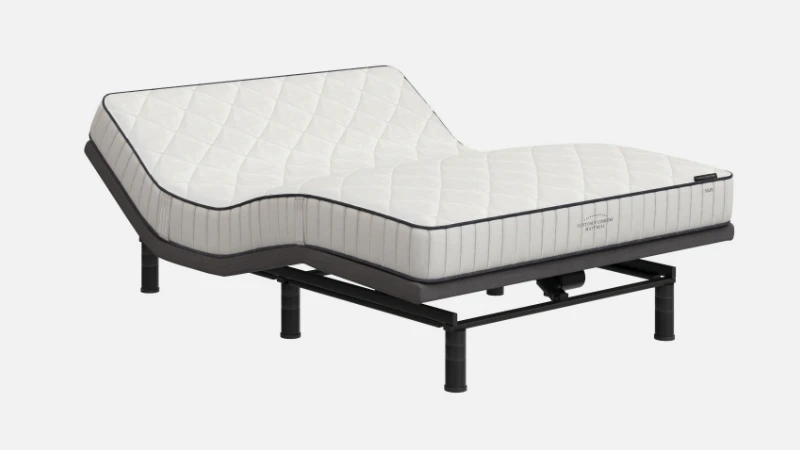
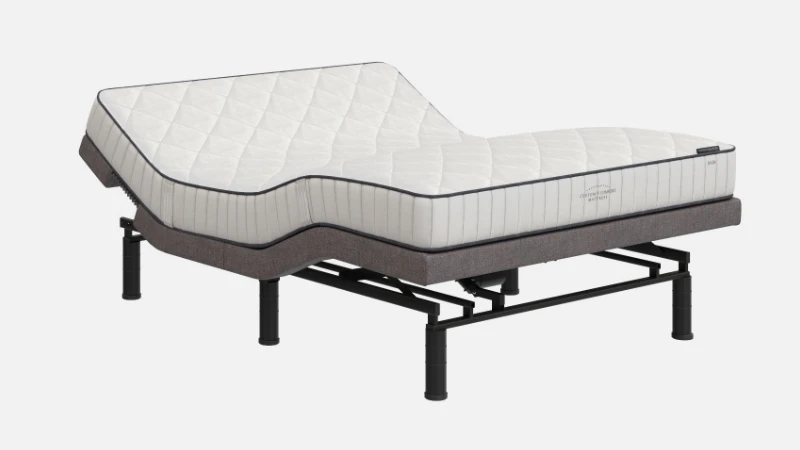
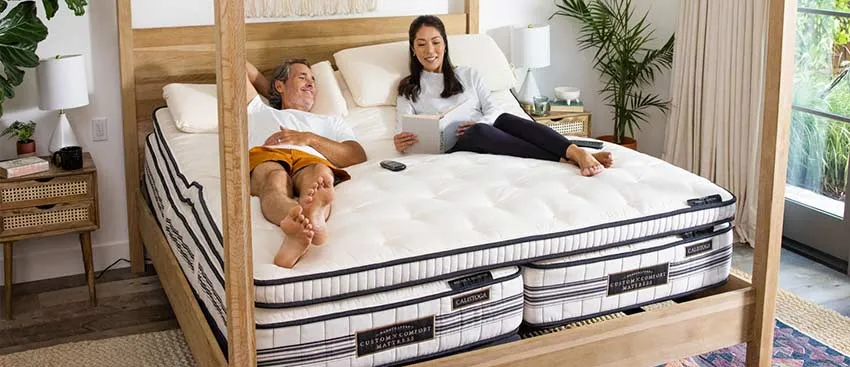
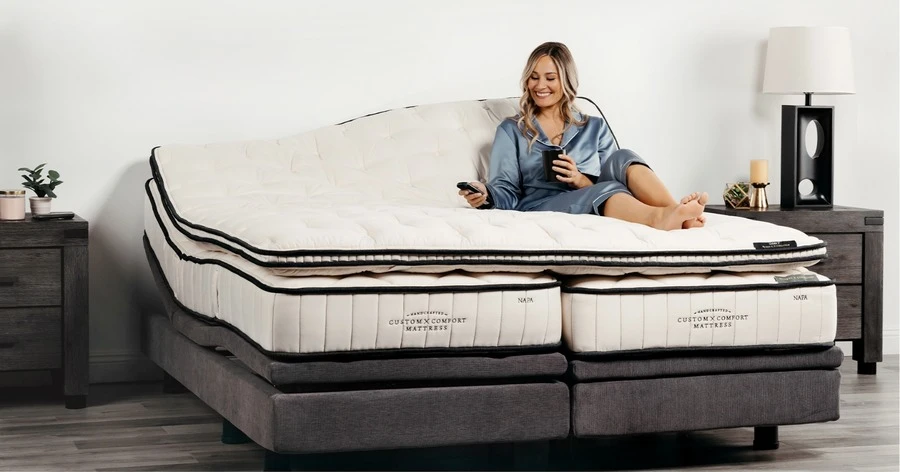
An adjustable base lets you raise the head and foot of the bed independently. For many adults of any age, it’s a genuine quality-of-life upgrade. Head and foot elevation makes reading in bed comfortable, the zero gravity position takes weight off the lower back and hips, and a slightly raised head end can make getting up in the morning noticeably easier. Couples can choose a split configuration that lets each partner adjust one side independently, so one person can read upright while the other sleeps flat.
Two practical notes before you commit. First, not every mattress flexes well on an adjustable base. Flexible designs such as latex and hybrid tend to perform best, while rigid innerspring construction may not bend properly, so confirm mattress and base compatibility together rather than buying them separately. Second, test the positions in person. Zero gravity feels wonderful to some sleepers and strange to others, and five minutes in a showroom tells you which camp you’re in.
Why Durability Matters More Than Ever
Choosing a mattress later in life often carries the higher expectations for quality that come with maturity, making mattress materials and construction more important than ever. For longevity, dual-sided construction spreads wear across two surfaces through regular flipping and rotating, which is why a well-made double-sided bed keeps delivering the same support in year eight that it did in year one. Natural materials like cotton, wool, and latex add durability as well, holding their structure and breathability long after budget foams have compressed and gone flat.
You’ll find this philosophy across every Custom Comfort Mattress collection from Heritage to Reserve to Select. Each is a premium mattress designed to perform and hold its shape for the long haul, handcrafted in our Southern California factory rather than mass-produced.
How to Shop for a Mattress as a Senior
The single best thing you can do, especially if you’re experiencing new or different sleep needs, is test mattresses in person. Lie down in your actual sleep position and stay there for several minutes, long enough for your body to settle and tell you how it feels. Then sit on the edge of the bed and stand up a few times, testing a motion you’ll repeat thousands of times over the mattress’s life. If the bed will be shared, bring your partner. If a second opinion helps, bring a family member. This in-person real-life testing is exactly what online-only shopping can’t offer, and it’s where edge support and ease of movement reveal themselves.
Before you buy, ask about materials, construction, after-purchase trial and comfort adjustments, delivery, and old mattress removal. A good answer to each contributes to the overall value of the mattress. And if the options feel overwhelming, they don’t have to be: Schedule a mattress fitting so a Custom Comfort Mattress sleep specialist can assess your support needs, pressure points, and preferences to narrow the field to a handful of true matches in a single visit.
One honest check before you shop at all: if your current mattress is only a few years old and its support core is still sound, a mattress topper may resolve a surface comfort issue for far less. But if the support underneath has broken down, no topper will bring it back, and a replacement is the right call.
Rest Easier for Years to Come
The best mattress for seniors is the one that balances supportive alignment, pressure relief, ease of movement, and construction built to last. Age doesn’t dictate the answer; your body, your sleep position, and your comfort priorities do. If you can get those four qualities right, the reward is better sleep from night one to thousands of nights later.
The best way to find that balance is to feel it for yourself. Visit a Custom Comfort Mattress showroom for a complimentary personalized fitting and experience how handcrafted comfort and lasting support come together in person.
Frequently Asked Questions
What type of mattress is best for seniors?
For most seniors, a latex, hybrid, or double-sided mattress works best, because these types combine pressure relief with support that makes it easier to change positions overnight. Latex and hybrid designs cushion the shoulders and hips while staying responsive, and a double-sided mattress adds years of even wear since it can be flipped and rotated. The right choice ultimately depends on sleep position, body weight, and any specific comfort concerns like back or hip pain.
Is a firm or soft mattress better for older adults?
Most older adults do best on a medium firm mattress, which cushions the shoulders and hips while still supporting spinal alignment. Side sleepers may prefer a slightly softer feel for pressure relief, while stomach sleepers usually need a firmer surface to keep the hips from sinking. Because comfort preference is personal, testing a mattress in your actual sleep position is the best way to confirm the right firmness.
Are adjustable beds good for seniors?
Yes, adjustable beds are a good option for many seniors. Raising the head and foot of the bed makes reading in bed more comfortable, the zero gravity position relieves pressure on the back and hips, and a slightly raised head can make getting up easier in the morning. Not every mattress flexes properly on an adjustable base, though — flexible designs like latex and hybrid mattresses perform best, so it’s worth confirming compatibility before you buy.
How often should seniors replace their mattress?
Most seniors should replace their mattress every 7 to 10 years, though a well-made double-sided mattress that’s regularly flipped and rotated can last considerably longer. Age alone isn’t the best guide: if you wake up sore, notice sagging, or sleep better away from home, that’s a sign the mattress is due for replacement regardless of how old it is.
What is the best bed height for an older adult?
The ideal bed height lets you sit on the edge with your feet flat on the floor and your knees roughly level with your hips. A bed that’s too low makes standing up harder, while one that’s too high can feel like a climb to get into. Since mattress and foundation height combine, measuring the full setup — or testing it in person at a showroom — is the best way to get this right.
Reviewed & Approved By Custom Comfort Mattress
Custom Comfort Mattress is a family owned California mattress manufacturer crafting handcrafted mattresses since 1986. Each guide is reviewed by our mattress expert to ensure accuracy, material expertise, and comfort insights drawn from decades of craftsmanship and personalized showroom fittings. Explore our Stories of Comfort to see how customers experience the difference.