







 FIND A SOCAL SHOWROOM











 24002 Via Fabricante, Suite 100
 949-877-3889
 24002 Via Fabricante, Suite 100







A mattress rarely fails all at once. It fades a little each year, lulling many of us into thinking we can keep sleeping on a bed that stopped supporting us long ago. This guide walks through the clearest signs you need a new mattress, the look-alike problems that may just need a simpler fix, and what to do when it really is time to replace your mattress.
With forty years of experience handcrafting dual-sided mattresses in Southern California, Custom Comfort Mattress is well-versed in how a mattress should perform over time and whether it is beyond its useful life. By the end, you’ll know exactly where yours stands.
Key Takeaways
- Most mattresses last roughly seven to ten years, though a well-built double-sided mattress can add years to that total.
- The top signs you need a new mattress are waking up sore, visible sagging or body impressions, sleeping better away from home, and feeling every movement your partner makes.
- Before you replace your mattress, rule out a worn foundation, the wrong pillow, or a surface comfort issue a topper can solve.
- One symptom on its own isn’t conclusive. A pattern of several signs usually is. Once the support layers have broken down, no accessory can bring them back, and it’s time to start shopping.
How Long Should a Mattress Last?
Before running through the warning signs, it helps to know what a reasonable mattress lifespan actually looks like. Most mattresses last somewhere between seven and ten years, but that range varies widely depending on quality of construction and materials. Mass-produced single-sided beds often wear out at the early end of that window, even earlier with heavy use. At the same time, a well-built double-sided mattress can deliver fifteen to twenty years. Because you can flip and rotate it, wear and tear are spread evenly across both surfaces instead of compressing the same spot night after night.
Clearly, age isn’t the only deciding factor. Materials, build quality, usage, body weight, and basic maintenance all shape the timeline. A ten-year-old high-quality bed that’s been rotated regularly may outperform a five-year-old bargain buy. So rather than counting years, judge your mattress by how it performs based on the signs below.
If you already suspect your bed is on its way out, take the Mattress Match-Up Quiz to narrow down the comfort level and construction that fits the way you actually sleep.
Signs You Need a New Mattress
This quick checklist can help determine in just a few minutes whether it’s time to go mattress shopping. And while a single sign may not be conclusive on its own, several together usually tell a clear story.
You Wake Up Sore or Stiff
New or worsening morning aches in the lower back, neck, shoulders, or hips often point to lost support, especially if the stiffness eases as the day goes on. When support layers compress, your spine falls out of alignment overnight, and your muscles spend nighttime hours compensating. Signals that it’s time to replace your mattress include hip pain that greets you at sunrise and fades by lunch, or back pain that persists or worsens over time – in which case our expert guide to the best mattress for back pain is worth a read.
You See Visible Sagging or Body Impressions
Dips and body impressions that no longer spring back mean the support layers underneath have compressed for good. A quick test: lay a broom handle or other straight edge across the surface of the bed. If you can see daylight or slide your hand into a gap deeper than an inch or so, the mattress sags in a way that no amount of rotating will reverse. A sagging mattress is one of the most definitive signs on this list.
You Sleep Better Somewhere Else
Getting better rest in a hotel or a guest bed is one of the clearest signs you need a new mattress. If you return from a trip feeling more refreshed than you do after a week in your own bedroom, your mattress could be the culprit.
You Toss and Turn to Get Comfortable
Everyone shifts positions during the night, but if falling asleep has become a nightly negotiation, your mattress surface no longer matches your needs. Tossing and turning is your body hunting for support or pressure relief the mattress used to provide. That restlessness fragments your sleep quality even when you don’t fully wake up.
You Feel Every Movement Your Partner Makes
A mattress in good condition absorbs motion. When you start feeling every roll, stretch, and midnight trip to the kitchen, increased motion transfer suggests the comfort layers and support layers have broken down and stopped isolating movement the way they once did.
The Mattress Sags at the Edges
Edge support matters more than most people realize. When the perimeter breaks down, you lose usable sleep surface, sitting on the side of the bed feels unstable, and getting in and out becomes less secure. If you feel like you might roll off when you sleep near the edge, the structure is failing from the outside in.
Your Allergies Feel Worse in the Morning
Over the years, a mattress accumulates dust mites, dead skin cells, and other allergens deep in its layers, beyond what washing your bedding can reach. If you wake up congested or itchy-eyed and feel better once you’re up and out, the bed itself may be the trigger. A mattress protector helps a newer bed stay clean, but it can’t undo years of buildup that’s already inside.
The Mattress Makes Noise
A quality bed should be quiet. Creaking, popping, or squeaking usually means worn coils inside the mattress or a failing foundation beneath it. Either way, something structural has deteriorated.
You Sleep Hotter
If you’ve started sleeping hot on a bed that used to feel fine, the materials may be to blame. Foams lose their open, breathable structure as they compress over time, so the surface traps more body heat. Dense memory foam is especially prone to this.
The Mattress No Longer Fits Your Life
Sometimes the bed hasn’t changed, but you have. Weight changes, a new sleep partner, pregnancy, an injury, or a new health consideration can all outpace a mattress that was once a good fit. A bed chosen for the person you were ten years ago may simply be wrong for the person you are now.
It’s Simply Old
Finally, consider the calendar. If your mattress is past the ten-year mark and any of the signs above sound familiar, age is almost certainly compounding the problem. At that point, the question isn’t whether the materials have degraded. It’s how much sleep quality you’re giving up because of it.
Signs Your Mattress Isn’t the Real Problem
Before you invest in a new mattress, it’s worth ruling out whether something else is causing your bed to underperform.
First, look under the bed. A worn or damaged foundation, box spring, or slat system can create sagging and uneven support that might be blamed on a perfectly sound mattress.
Beyond the bed frame, pillow height, heavy bedding, room temperature, and everyday sleep habits can all mimic mattress problems. A pillow that’s too tall can cause the same neck pain as a failing bed.
There’s also a middle path. If the support core is still sound but the surface feels firmer or less cushioned than you’d like, a mattress topper can adjust the comfort without the cost of a full replacement. Just be honest about what a topper can do: it fine-tunes the feel of a healthy mattress, but it cannot correct structural sagging or a broken-down support system. Adding a plush layer over a collapsed core only pads the problem, and temporarily at that.
What to Do Before You Replace Your Mattress
If you’re on the fence about whether to replace your mattress, try this simple troubleshooting sequence.
- Rotate the mattress head to foot, flip it if it’s double-sided, and reassess after a couple of weeks.
- Inspect the foundation for cracked slats, soft spots, or visible flex.
- Check whether the mattress is still under warranty and what the sagging threshold is for a claim.
While these steps can extend the life of a mattress that’s still fundamentally sound and they cost nothing to try, they cannot reverse genuine material breakdown. If the signs return within a few weeks, you have a definitive answer.
How to Make Your Next Mattress Last Longer
Whenever replacement day comes, the construction and materials you choose are the keys to maximizing the longevity of the new one. The principles behind every Custom Comfort Mattress collection set the standard for long-lasting quality sleep, namely:
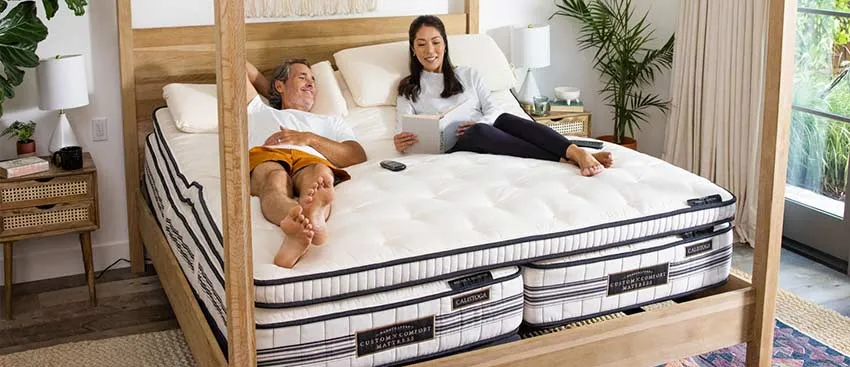
- Double-sided construction lets you flip and rotate seasonally so that wear is spread across both surfaces, allowing it to outlast single-sided designs dramatically.
- Natural materials such as cotton, wool, and latex breathe better and hold their structure over time in a way that budget foams don’t.
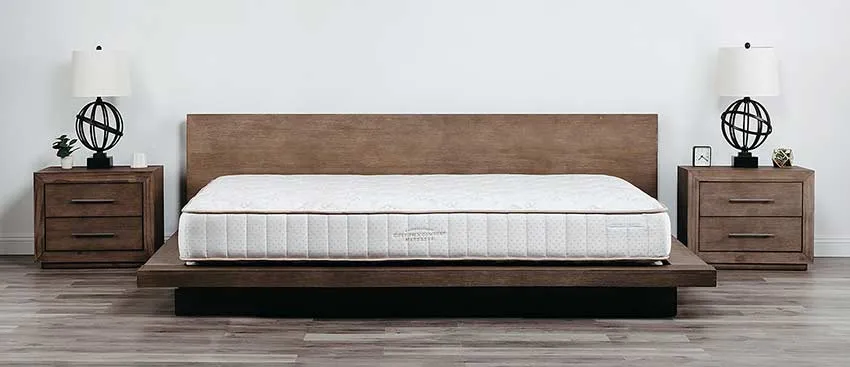
- Quality coil systems paired with hand-tufted construction keep the internal layers anchored so they resist shifting and sagging year after year.
Whether you choose a mattress from our Heritage, Reserve, or Select lines, each is handcrafted rather than mass-produced, designed for restful sleep, and built to last – right in our Southern California factory.
Maintenance matters, too. Once you choose a new mattress, get the most out of your investment with these care tips:
- Pair the bed with a supportive foundation.
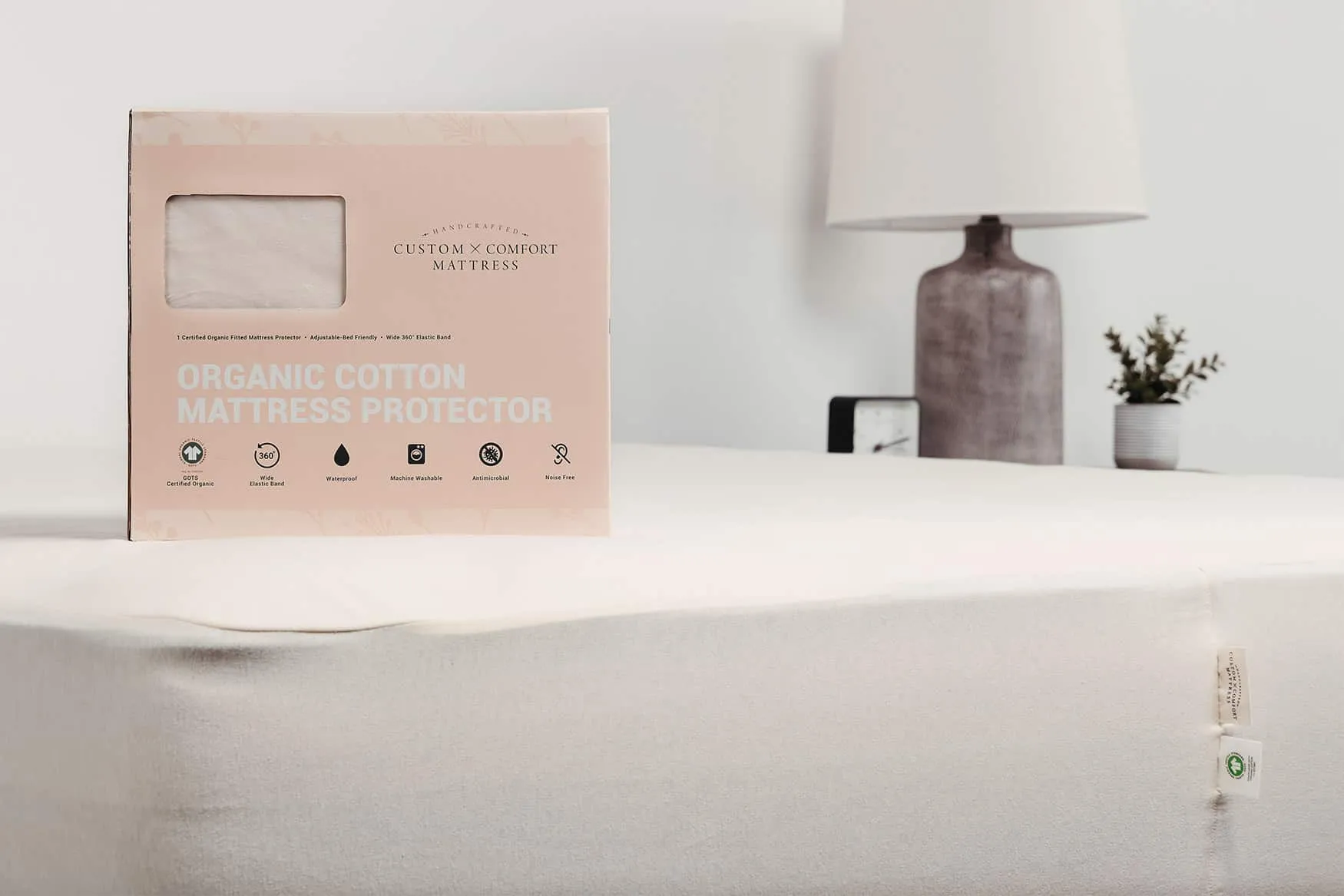
- Use a mattress protector from day one.
- Keep a regular rotation schedule.
- Avoid sitting on the same edge every day.
- Carry the mattress flat during moves rather than folding or dragging it.
Small habits, added up over a decade, decide whether a bed ages gracefully or fails early.
What to Do When It Really Is Time
Replacing your mattress is the perfect time to reassess your sleep needs and habits.
Start by identifying what your current mattress is failing to deliver. Is it support, pressure relief, temperature, or durability? Our guide to choosing the right mattress walks through the process in detail, illuminating many personal considerations to help inform your choice.
Next, test your options in person. Lie down in your actual sleep position for a full ten minutes rather than perching on the edge or shopping on specifications alone. Whether you’re comparing an innerspring mattress, a latex mattress, or a hybrid, your body will tell you more in ten minutes than an hour of reading reviews can.
Lastly, practical details deserve attention too. Ask about comfort guarantees, delivery, and old mattress removal before you buy.
Custom Comfort Mattress backs every bed with a 365-Night Comfort Guarantee and includes complimentary White Glove delivery and old mattress removal throughout Southern California. You’ll also find answers to the questions we hear most on our FAQ page.
If you’d prefer to skip the guesswork entirely, schedule a Mattress Fitting with one of our sleep specialists. A personalized assessment of your alignment, pressure points, and preferences will quickly narrow down the right options for you.
Listen to the Pattern and Reclaim Your Sleep
No single creak or stiff neck means your mattress is finished. The real signal is a pattern: soreness plus sagging, restlessness plus better sleep elsewhere. When several signs show up together, trust them, because a mattress that no longer supports you is quietly robbing you every night of sleep you’ll never get back.
If the pattern sounds familiar, it’s time to replace that old mattress and feel the difference the right new one can provide in person. Visit a Custom Comfort Mattress showroom for a complimentary fitting and experience how handcrafted, dual-sided construction is built to provide you with decades, not just years, of quality, restful slumber.
Frequently Asked Questions
How often should you replace your mattress?
Most mattresses need replacing every seven to ten years, though the exact timeline depends on construction and materials. Single-sided mattresses tend to wear out toward the early end of that range, while a well-built double-sided mattress that’s flipped and rotated regularly can last fifteen to twenty years. Rather than relying on age alone, judge by performance — waking up sore or noticing visible sagging means it’s time, even if the mattress hasn’t hit the ten-year mark yet.
Can a mattress last 20 years?
Yes, a mattress can last 20 years, but only with the right construction. A handcrafted double-sided mattress built from durable natural materials and quality coils can reach that mark when it’s flipped and rotated seasonally and paired with a supportive foundation. A typical single-sided mattress won’t get there, no matter how well it’s cared for.
Will a mattress topper fix a sagging mattress?
No, a mattress topper will not fix a sagging mattress. A topper can adjust surface comfort and make a structurally sound mattress feel softer or more cushioned, but it can’t correct sagging, body impressions, or a broken-down support core. If the layers beneath have already collapsed, a topper only masks the problem while the support underneath keeps deteriorating.
Can an old mattress cause back pain?
Yes, an old mattress can cause back pain. As support layers compress and lose resilience over time, the spine falls out of neutral alignment during the night, forcing muscles and joints to compensate. The telltale pattern is lower back or hip stiffness that’s worst first thing in the morning and eases as the day goes on.
Reviewed & Approved By Custom Comfort Mattress
Custom Comfort Mattress is a family owned California mattress manufacturer crafting handcrafted mattresses since 1986. Each guide is reviewed by our mattress expert to ensure accuracy, material expertise, and comfort insights drawn from decades of craftsmanship and personalized showroom fittings. Explore our Stories of Comfort to see how customers experience the difference.